 Video coming soon
Agriculture
Smart Farming
Can Technology Grow More with Less?
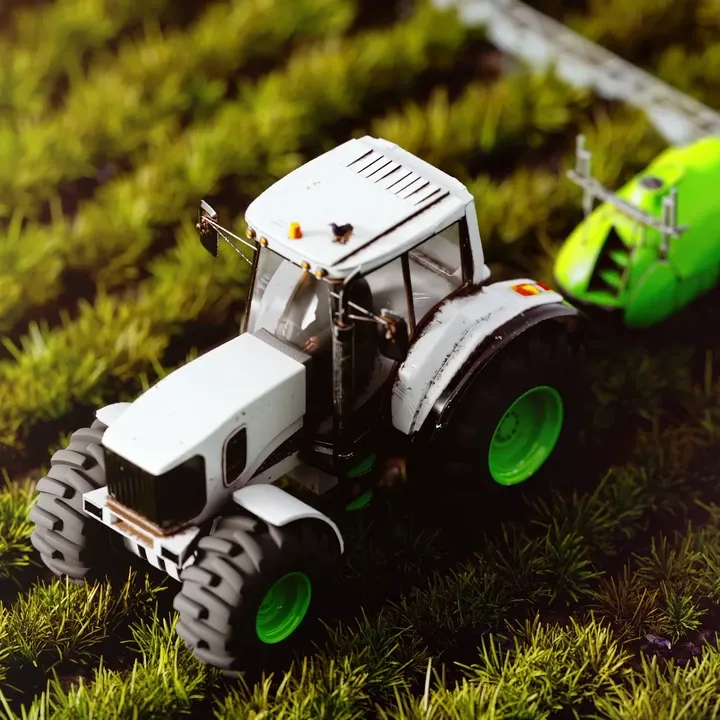
Smart farming combines satellites, sensors, drones, robots and artificial intelligence with practical knowledge from the field. It can target water, fertilizer and crop protection precisely, reducing waste while improving yields and resilience. Technologies such as robotic weeders, soil mapping and digital forecasts could help farmers grow more food with less land, water, pollution and guesswork.
(Illustrated guide coming soon)
3.8overall
How this solution scores
- Impact3 / 5Precise inputs cut emissions across farms, a meaningful but limited gain.
- Speed4 / 5Emissions fall in the first season, but widespread adoption takes time.
- Cost4 / 5High upfront costs, but big savings on fertilizer, water and fuel.
- Readiness4 / 5Sensors, satellites, precision guidance and autonomous machinery is already here.
- Nature4 / 5Less fertilizer and pesticide runoff reaching rivers and seas.