

The Complete Guide to Saving the Earth

Electricity
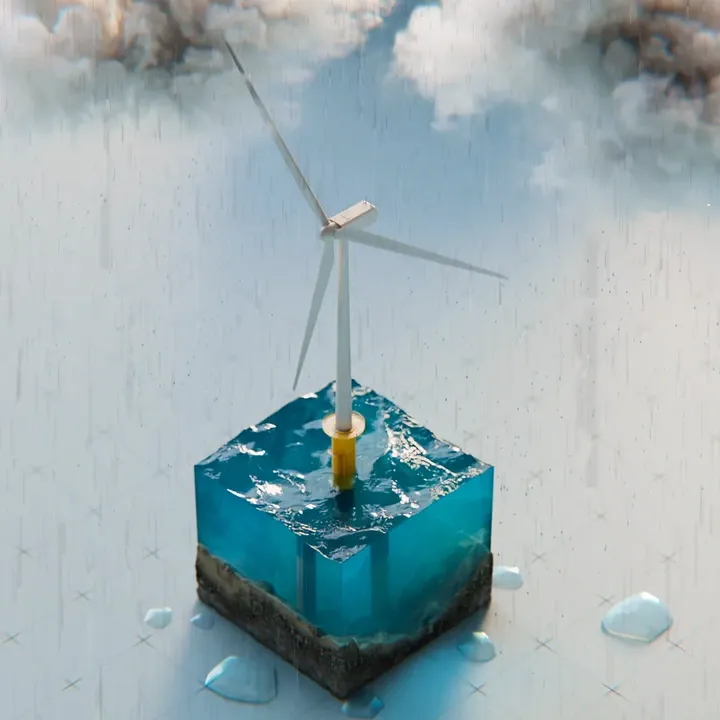
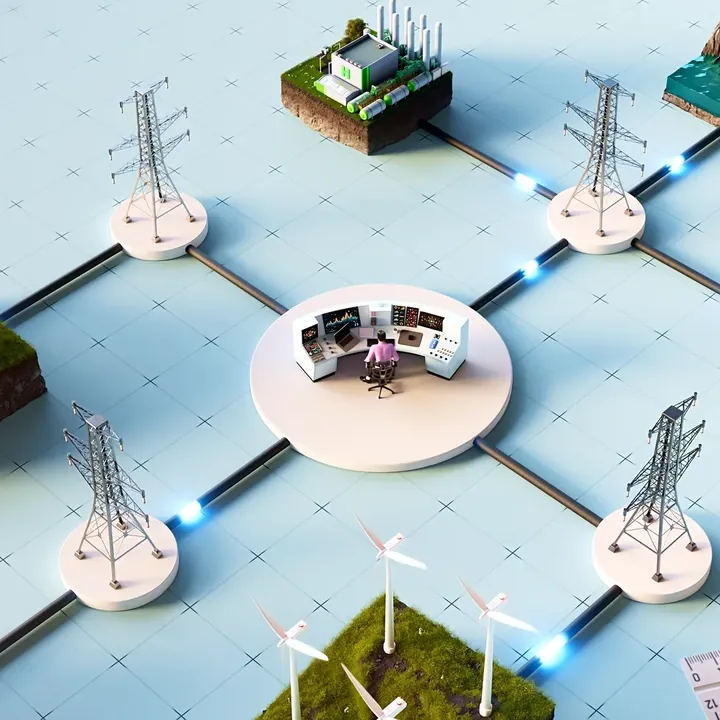
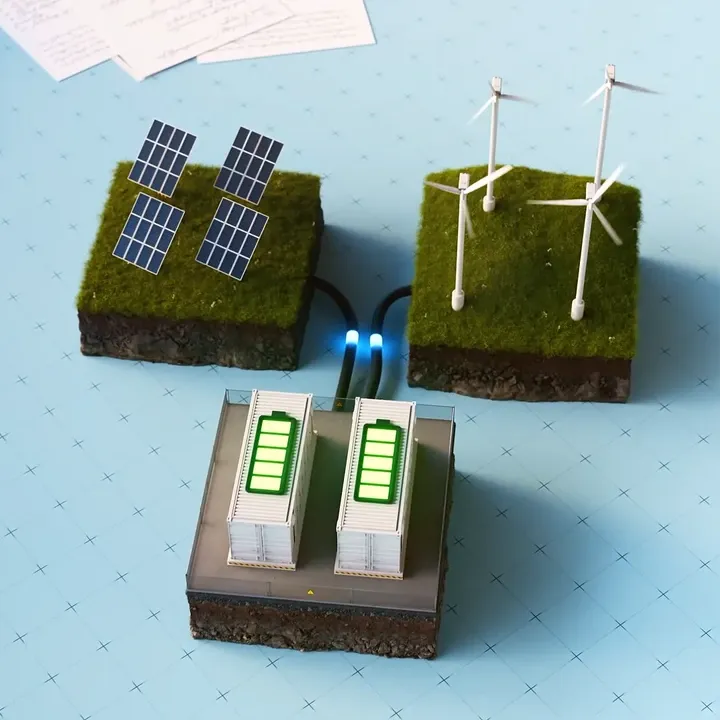
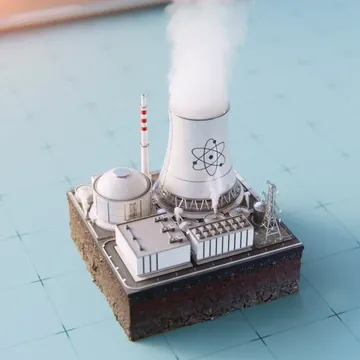
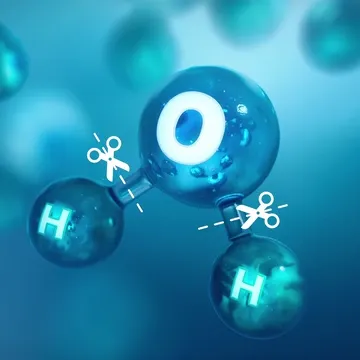
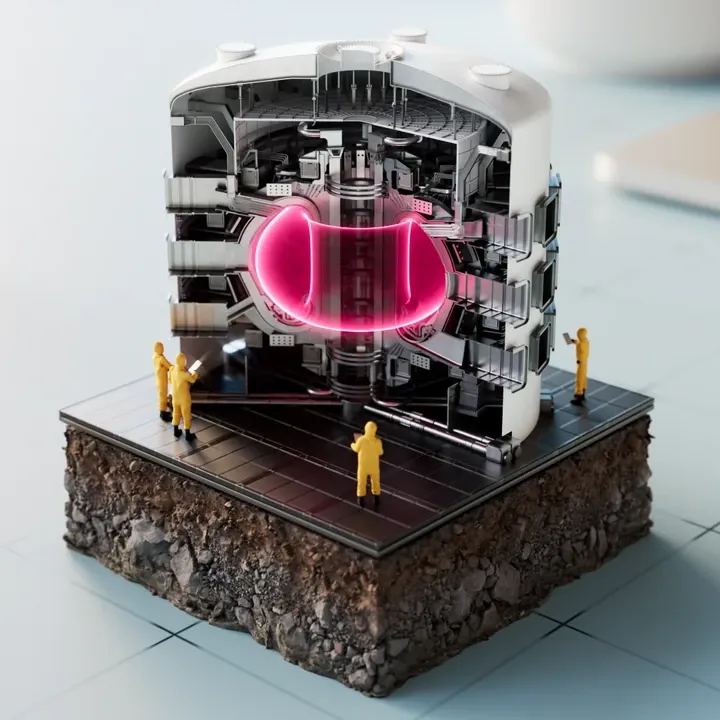
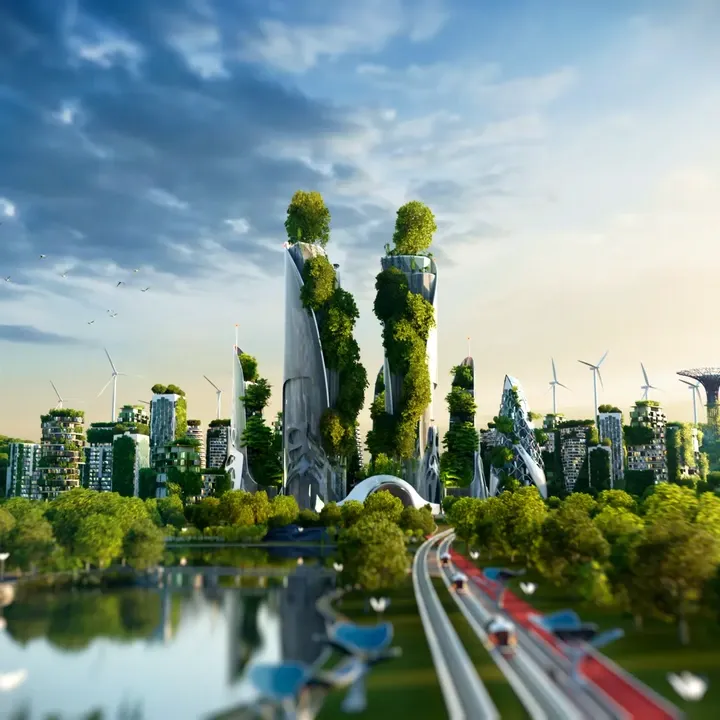
Electricity is the backbone of a net zero world. As we switch cars, heating and industry over to clean power, demand will roughly double, so the grid itself has to get bigger, smarter and almost entirely carbon-free. These solutions cover how we generate that power without fossil fuels, and how we store and move it.



















Buildings
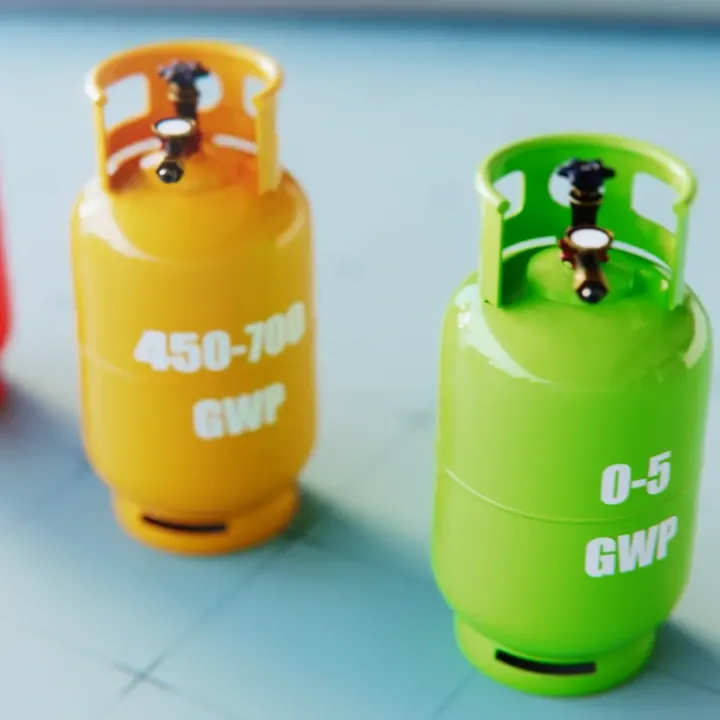
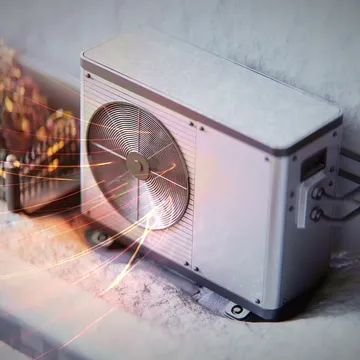
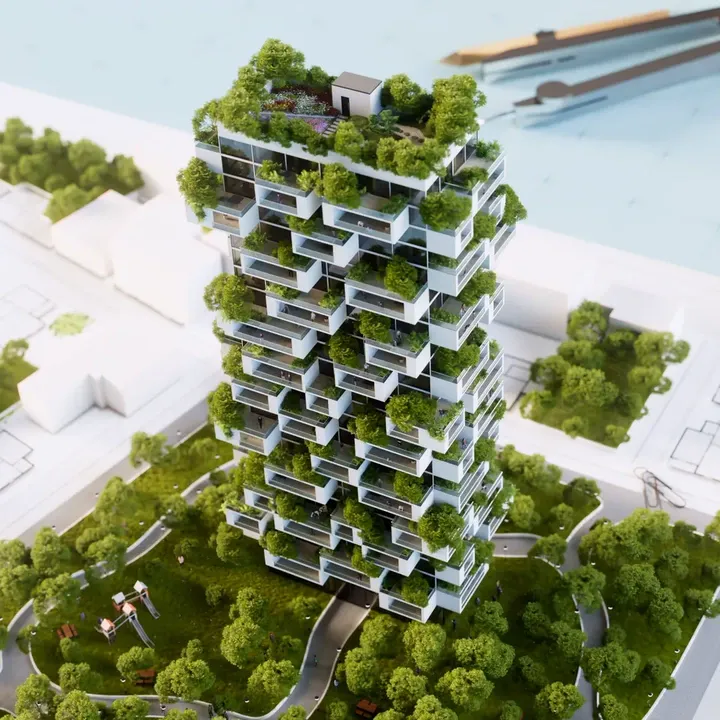
The buildings we live and work in account for a large share of global emissions, from making steel and concrete to heating, cooling and electricity use. The good news is that many solutions already exist. Efficient design, heat pumps, cleaner refrigerants, low-carbon materials and better city planning can cut emissions, lower bills and make cities better places to live.





Agriculture
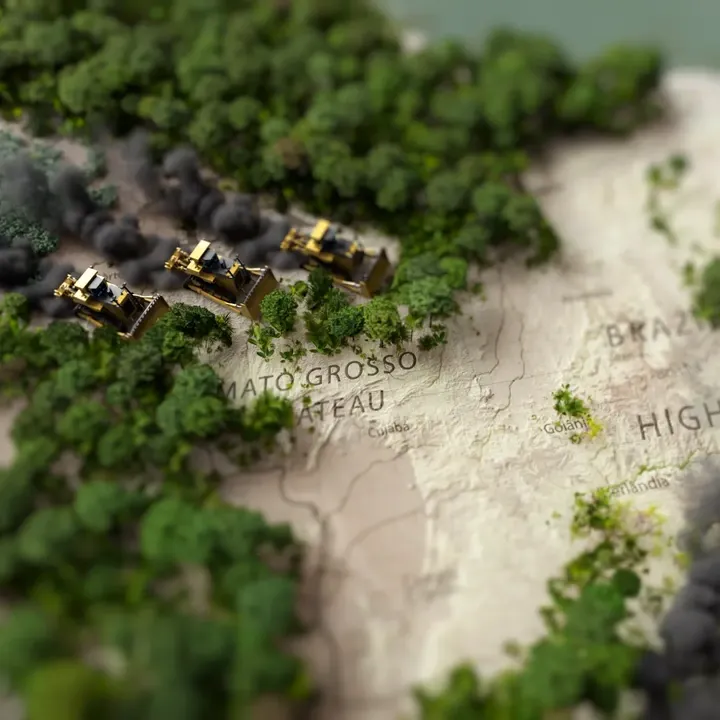
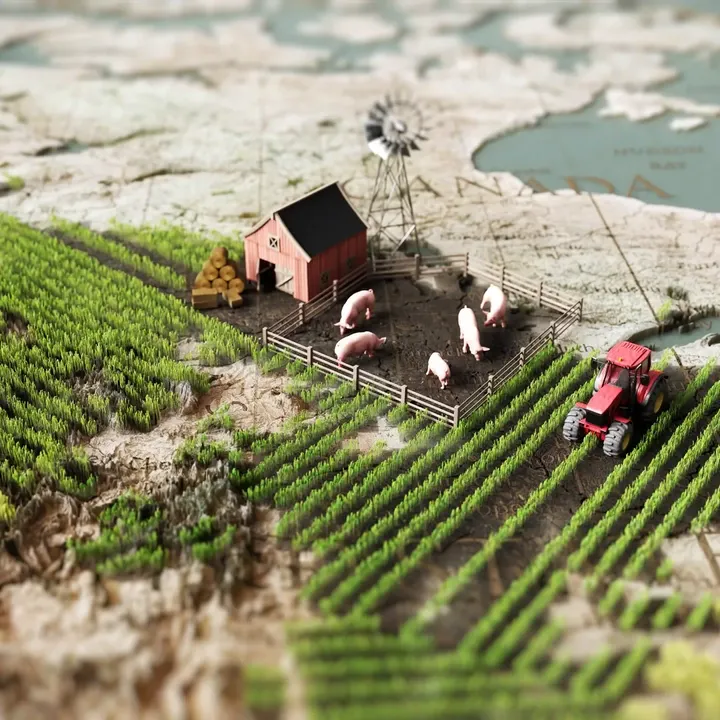
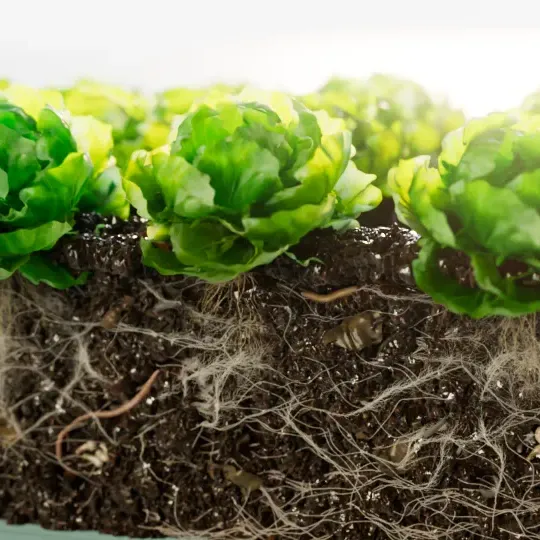
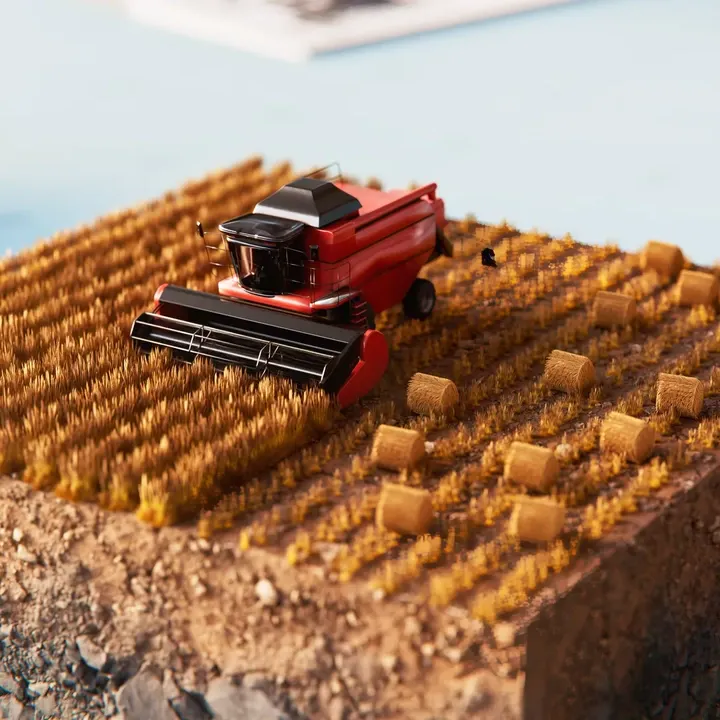
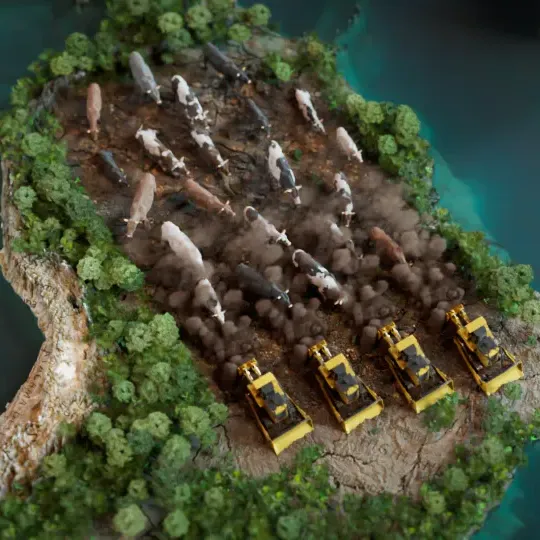
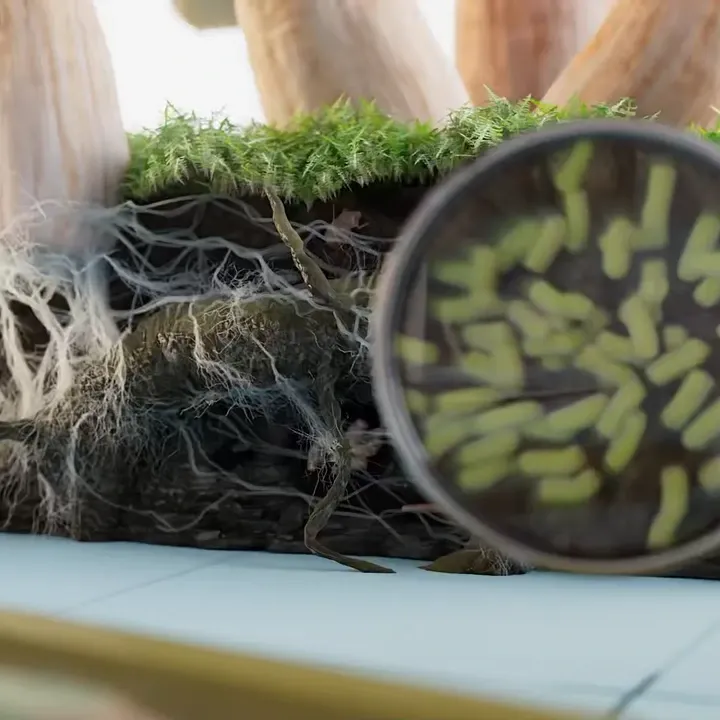
Farming and land use are unique: they're a major source of greenhouse gases, but also our greatest natural ally for pulling carbon back out of the air. These solutions show how we can grow enough food for everyone while restoring soils and forests, turning the land from part of the problem into part of the answer.



















Manufacturing
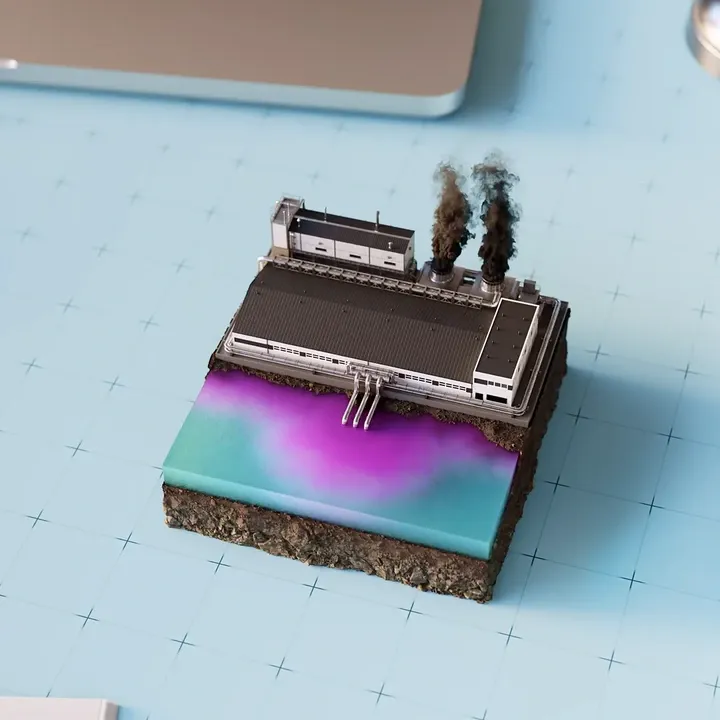
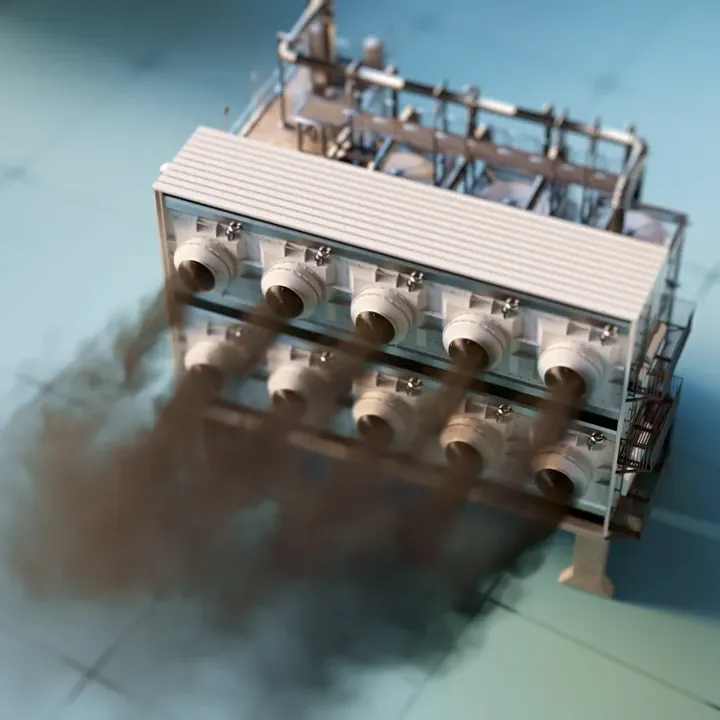
Making things like steel, cement, plastic and clothes is one of the hardest parts of the climate puzzle, because many industrial processes release CO2 directly, not just from the energy they use. These solutions explore how we can produce the materials modern life depends on with far less carbon, and capture what's left.














Transport
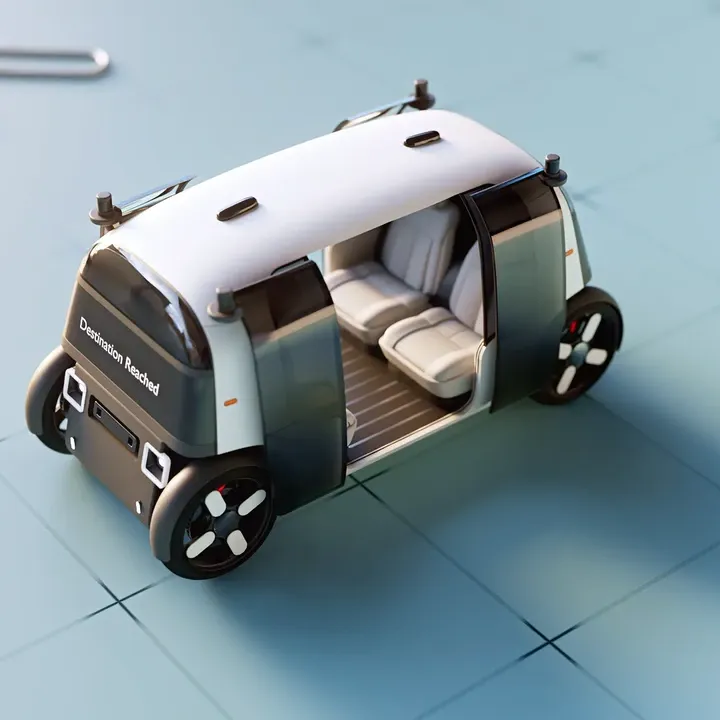
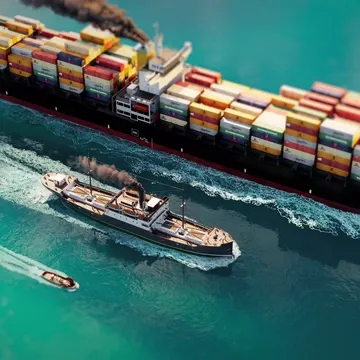
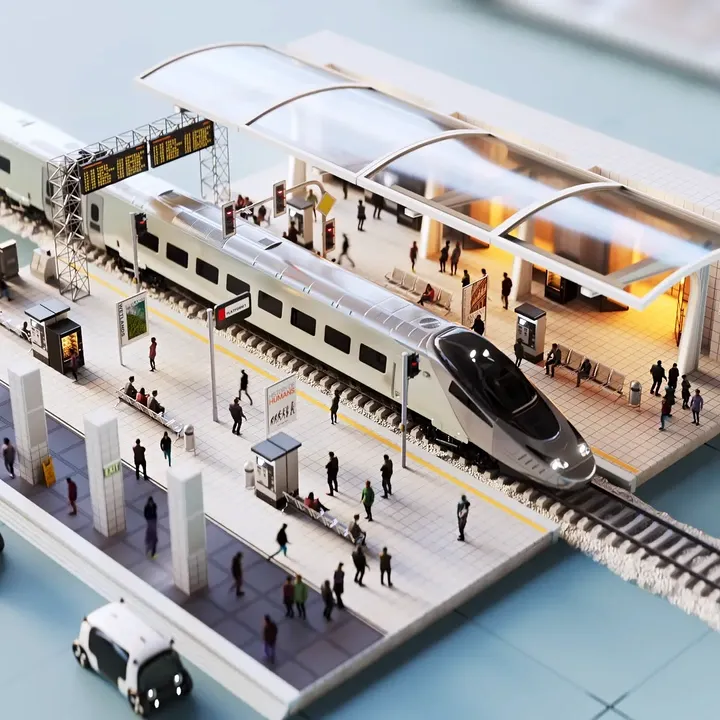
Moving people and goods around the planet runs almost entirely on oil today. These solutions show how that's changing, from electric cars and high-speed rail to the tougher challenges of shipping and flying. Much of that progress depends on clean electricity.





Electricity
Electricity is the backbone of a net zero world. As we switch cars, heating and industry over to clean power, demand will roughly double, so the grid itself has to get bigger, smarter and almost entirely carbon-free. These solutions cover how we generate that power without fossil fuels, and how we store and move it.
Buildings
The buildings we live and work in account for a large share of global emissions, from making steel and concrete to heating, cooling and electricity use. The good news is that many solutions already exist. Efficient design, heat pumps, cleaner refrigerants, low-carbon materials and better city planning can cut emissions, lower bills and make cities better places to live.
Agriculture
Farming and land use are unique: they're a major source of greenhouse gases, but also our greatest natural ally for pulling carbon back out of the air. These solutions show how we can grow enough food for everyone while restoring soils and forests, turning the land from part of the problem into part of the answer.
Manufacturing
Making things like steel, cement, plastic and clothes is one of the hardest parts of the climate puzzle, because many industrial processes release CO2 directly, not just from the energy they use. These solutions explore how we can produce the materials modern life depends on with far less carbon, and capture what's left.
Transport
Moving people and goods around the planet runs almost entirely on oil today. These solutions show how that's changing, from electric cars and high-speed rail to the tougher challenges of shipping and flying. Much of that progress depends on clean electricity.