
Agriculture
Wetlands
Wetlands vs Rainforests: Who Stores More Carbon?
Wetlands quietly keep the planet in balance. From peatlands and marshes to mangrove swamps, they lock away vast amounts of carbon, reduce flood risk, filter water, and support some of the richest biodiversity on Earth. In this video, we explore how wetlands work and why they punch so far above their weight in the climate system. We also look at what happens when wetlands are drained or destroyed, and how protecting and restoring them could be one of the simplest, most effective nature-based climate solutions available.
Download the Guide4.4overall
How this solution scores
- Impact5 / 5Store carbon more densely than forests, and protection prevents major emissions.
- Speed3 / 5Protection works immediately; restored wetlands take years to recover.
- Cost4 / 5Protection is cheap, restoration can cost more.
- Readiness5 / 5A well-understood conservation practice.
- Nature5 / 5Protects flood defense, clean water and extraordinary biodiversity.
Guide
This is the illustrated transcript of the film.
Quiz
Question 1 of 10
Which ecosystem stores more than twice the carbon of all forests?
Score 0 / 10
Transcript
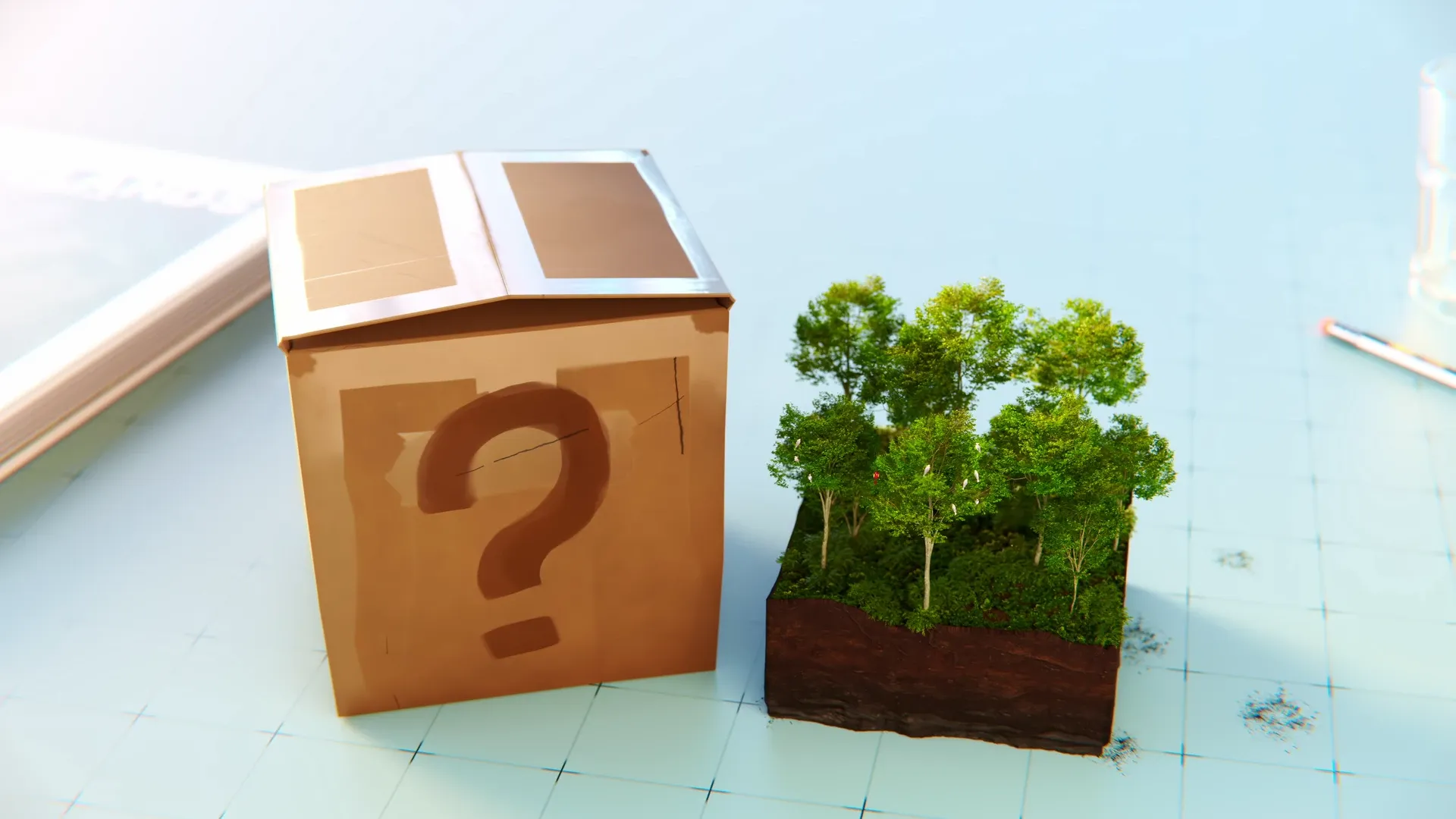
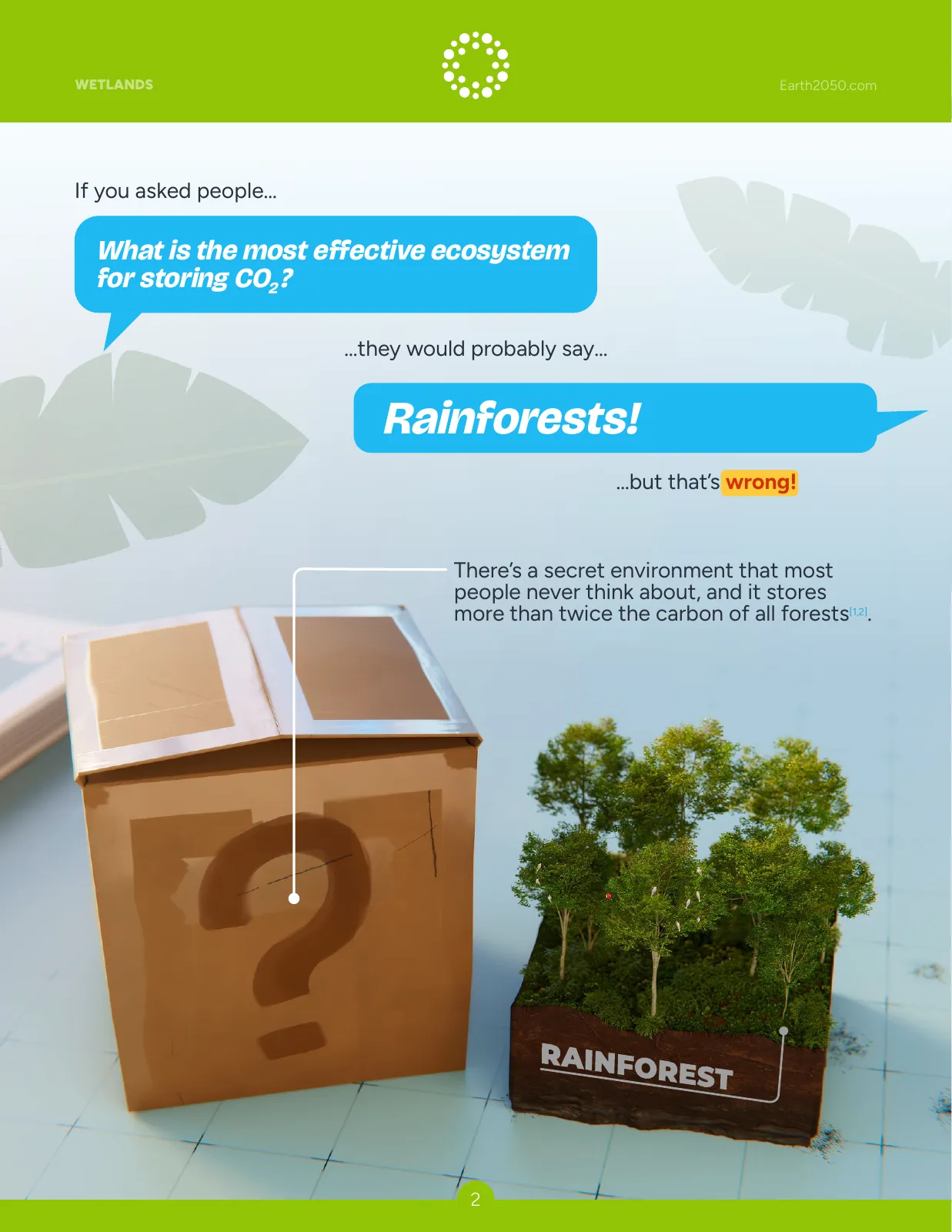
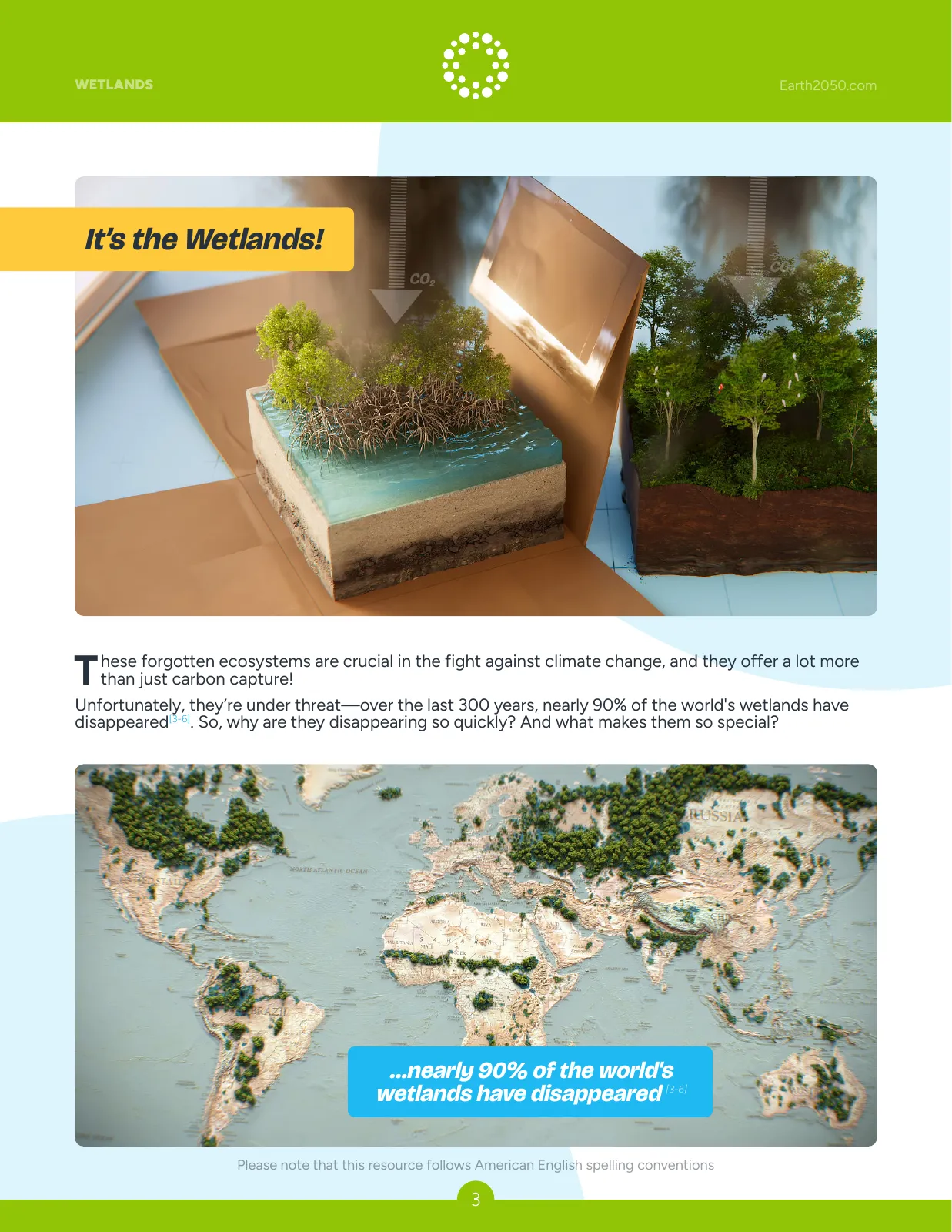
If you asked people “what is the most effective ecosystem for storing CO2?”, they would probably say rainforests, but that’s wrong. There’s a secret, an environment that most people never think about, and it stores more than twice the carbon of all forests [1,2].
It’s the Wetlands!
These forgotten ecosystems are crucial in the fight against climate change, and they offer a lot more than just carbon capture!
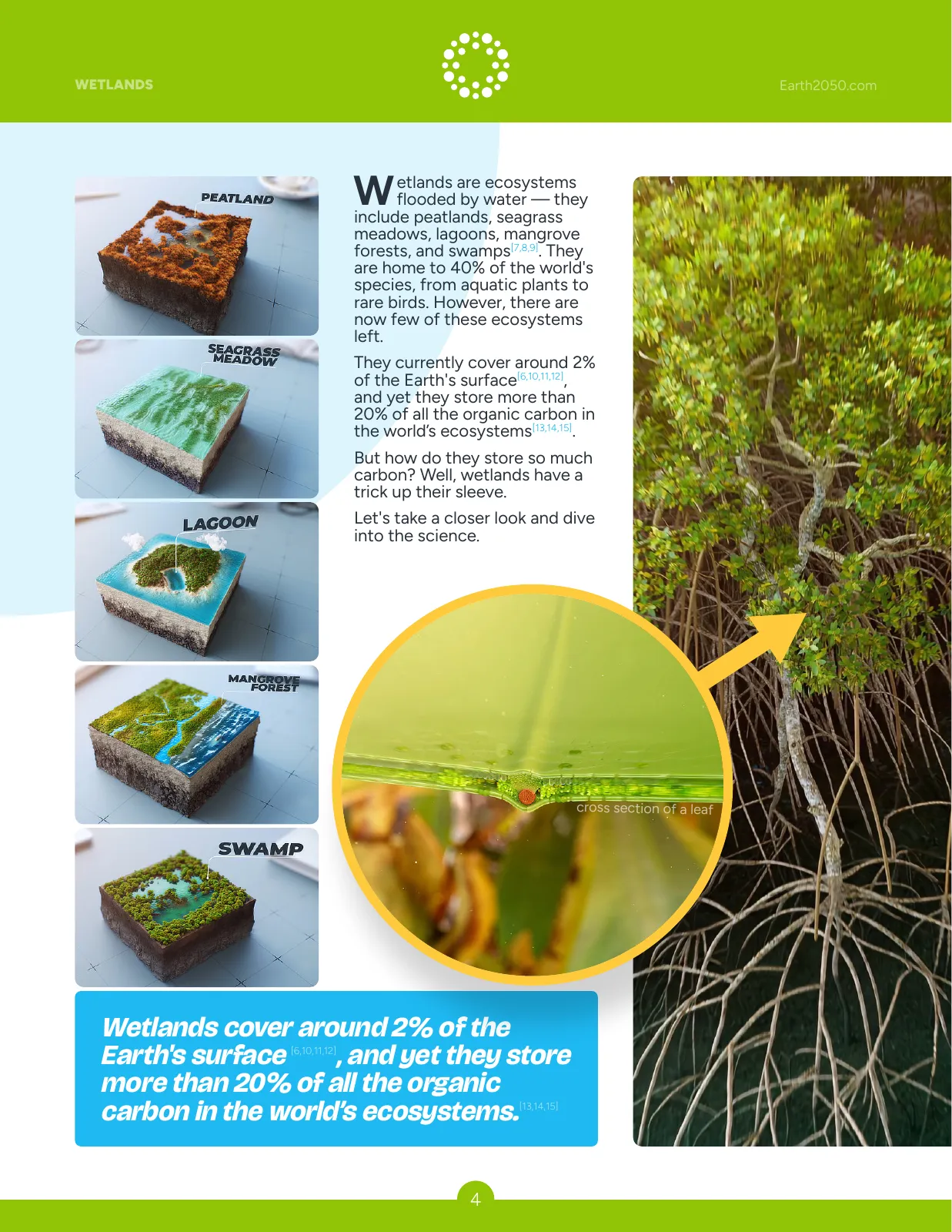
Unfortunately, they’re under threat. In fact, over the last 300 years, nearly 90% of the world's wetlands have disappeared [3-6]. So, why are they disappearing so quickly? And what makes them so special?
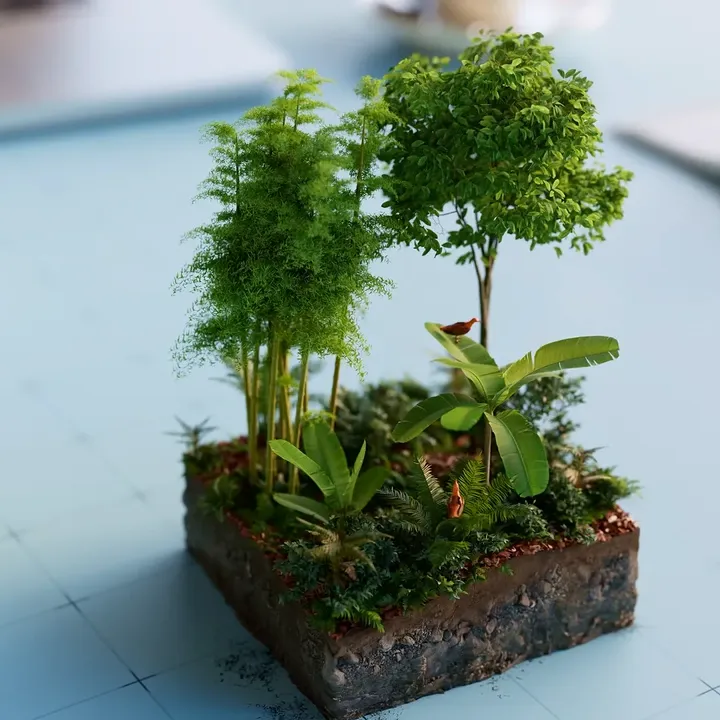
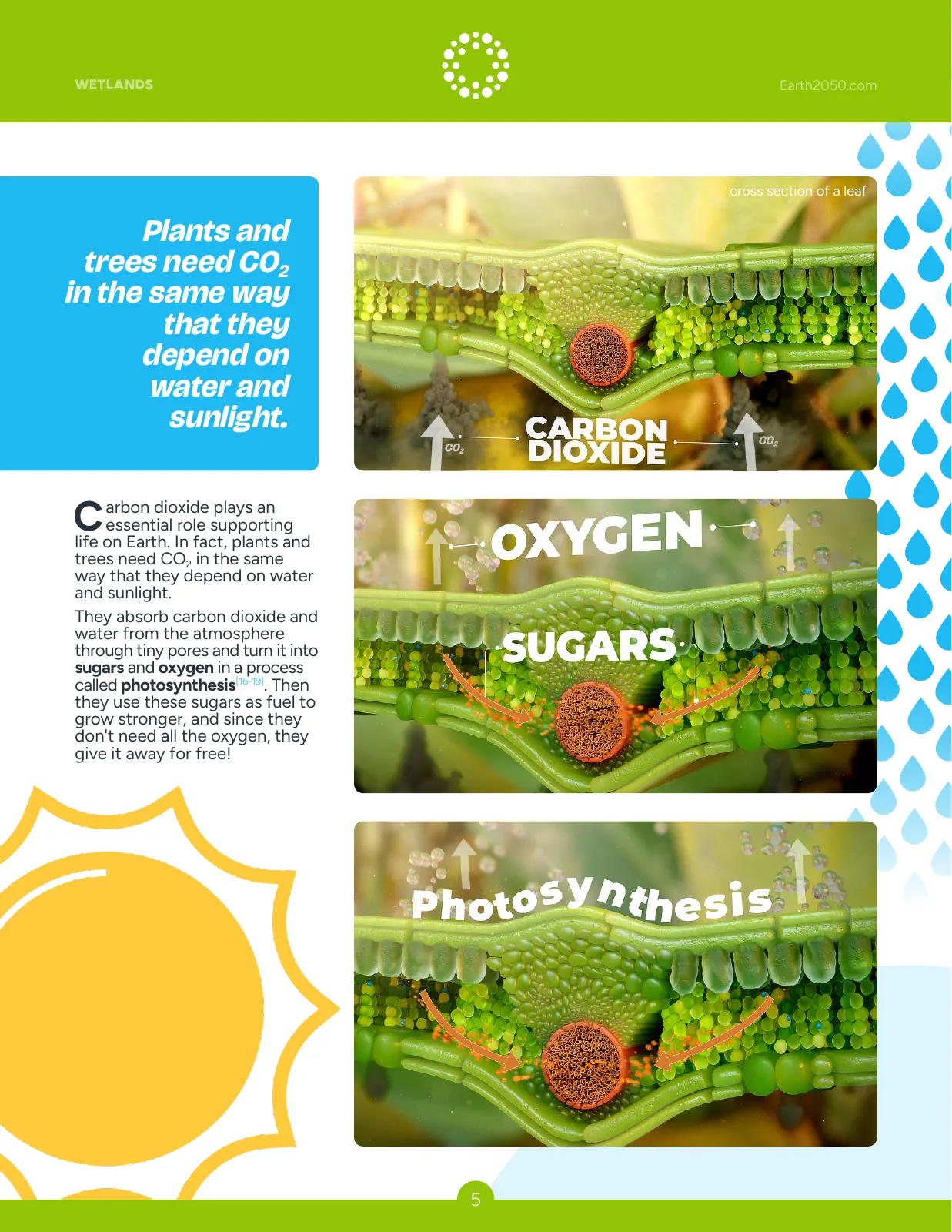
Wetlands are ecosystems flooded by water: they include peatlands, seagrass meadows, lagoons, mangrove forests, and swamps [7,8,9]. They are home to 40% of the world's species, from aquatic plants to rare birds. However, there are now few of these ecosystems left.
They currently cover around 2% of Earth's surface [6,10,11,12], and yet they store more than 20% of all the organic carbon in the world’s ecosystems [13,14,15].
But how do they store so much carbon? Well, wetlands have a trick up their sleeve.
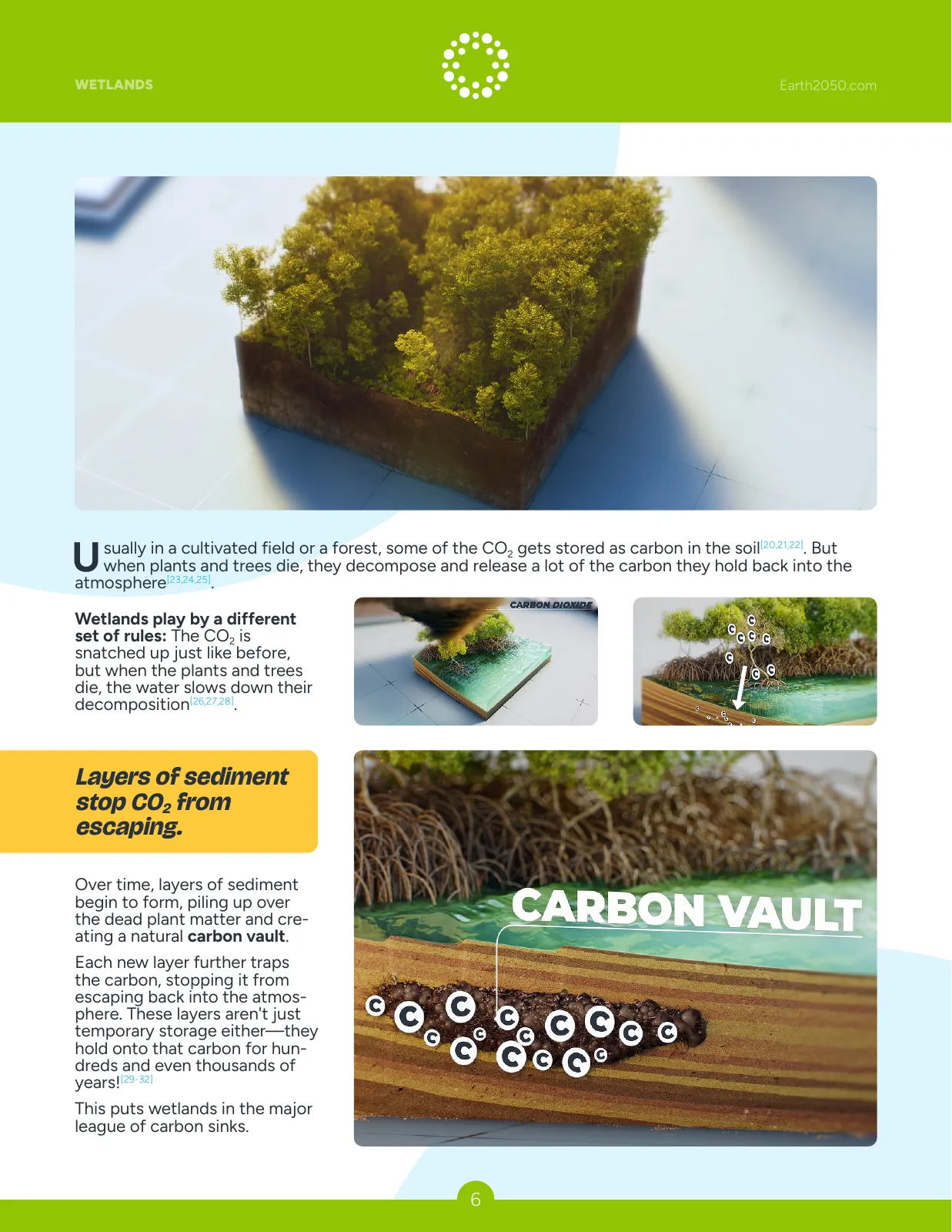
Let's take a closer look and dive into the science. Carbon dioxide plays an essential role supporting life on Earth. In fact, plants and trees need CO2 in the same way that they depend on water and sunlight.
They absorb carbon dioxide and water from the atmosphere through tiny pores and turn it into sugars and oxygen in a process called photosynthesis [16-19]. Then they use these sugars as fuel to grow stronger, and since they don't need all the oxygen, they give it away for free.
Usually in a cultivated field or a forest, some of the CO2 gets stored as carbon in the soil [20,21,22]. But when plants and trees die, they decompose, and release a lot of the carbon they hold back into the atmosphere [23,24,25].
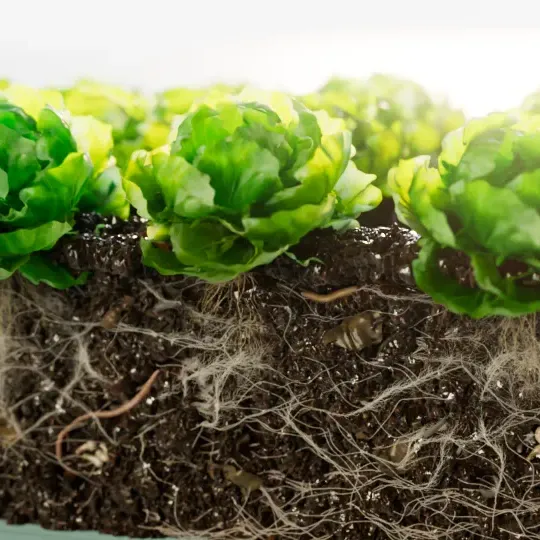
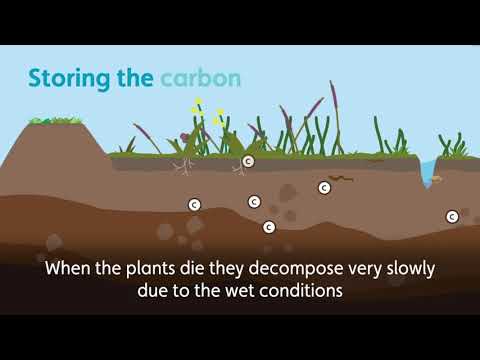
Wetlands play by a different set of rules. In a wetland, the CO2 is snatched up just like before. But, when the plants and trees die, the water slows down their decomposition [26,27,28].
Over time, layers of sediment begin to form, piling up over the dead plant matter and creating a natural carbon vault. Each new layer further traps the carbon, stopping it from escaping back into the atmosphere. These layers aren't just temporary storage either: they hold onto that carbon for hundreds, even thousands of years! [29-32]
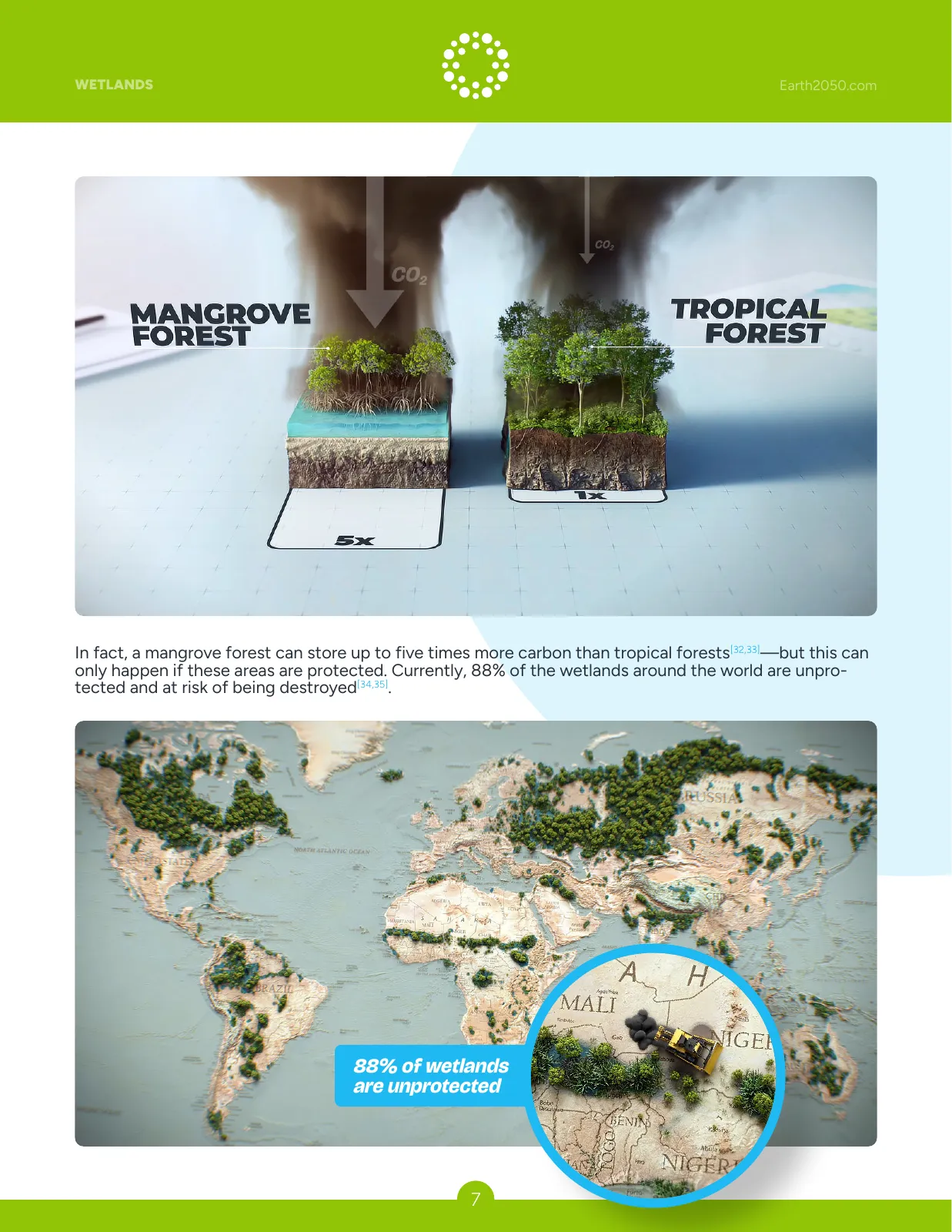
This puts wetlands in the major league of carbon sinks. In fact, a mangrove forest can store up to five times more carbon than tropical forests [32,33]. But this can only happen if these areas are protected. And currently, 88% of the wetlands around the world are unprotected and at risk of being destroyed [34,35].
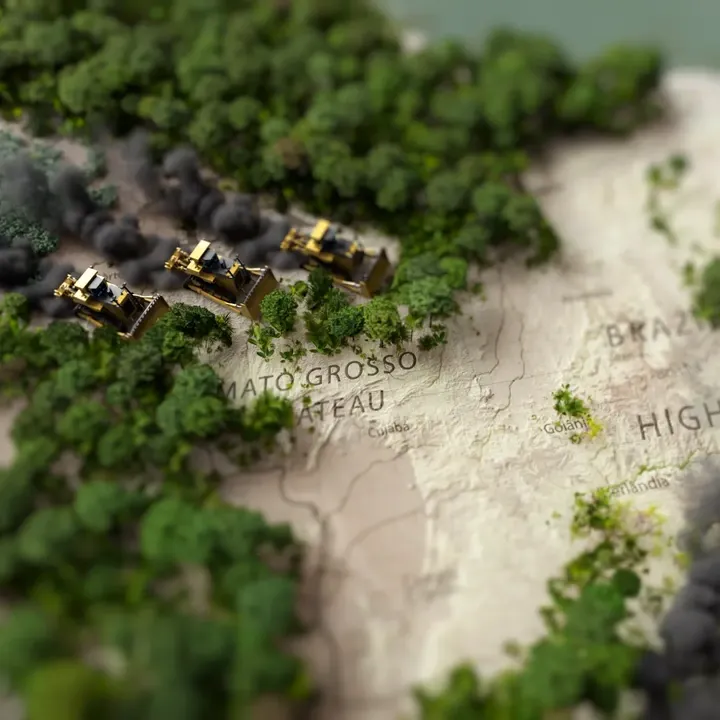
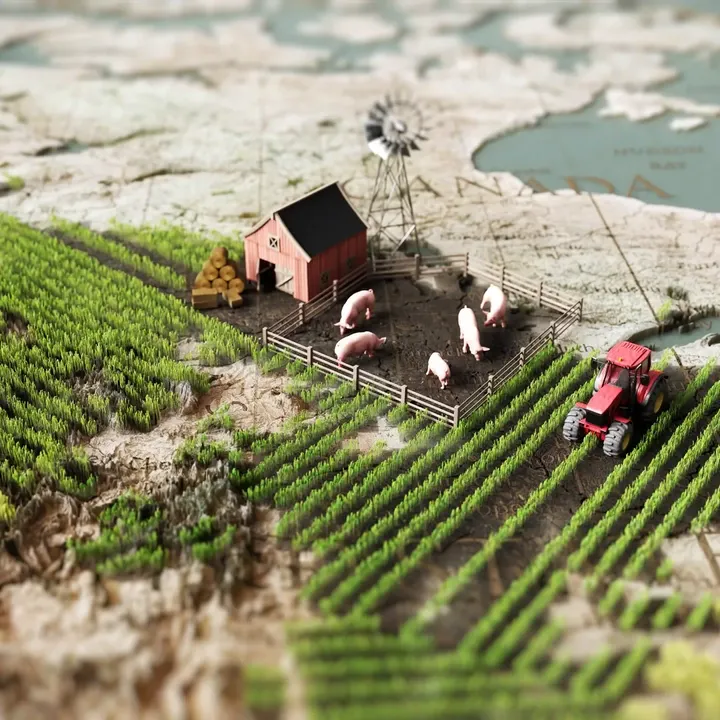
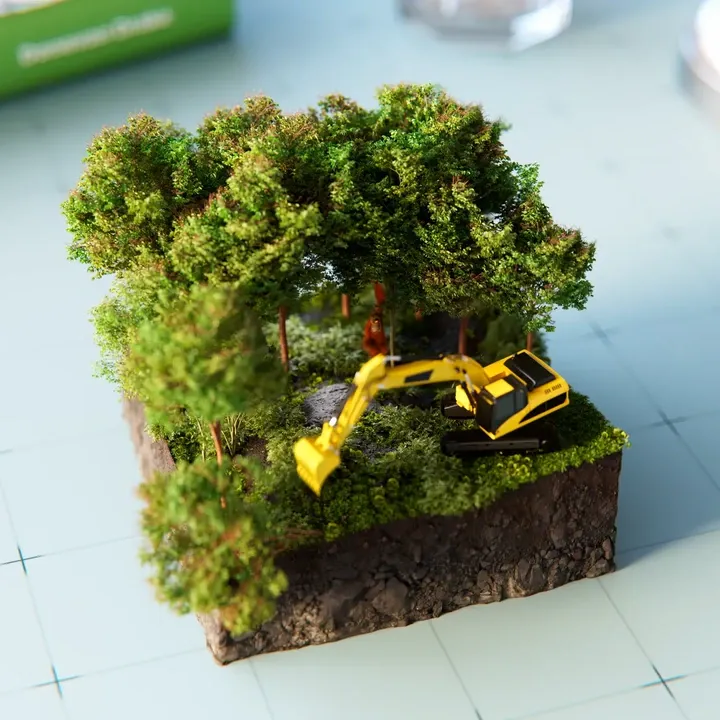
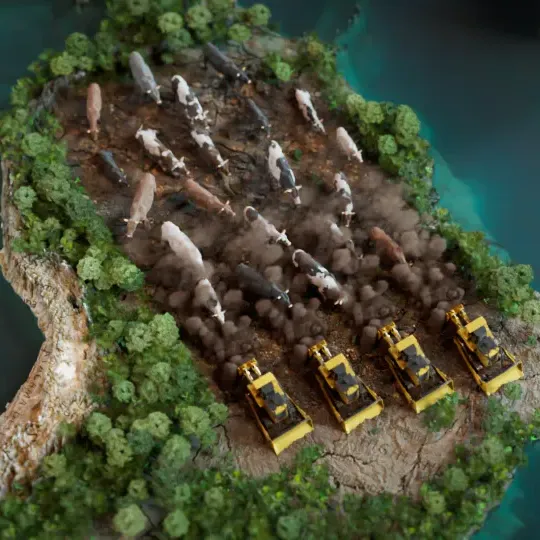
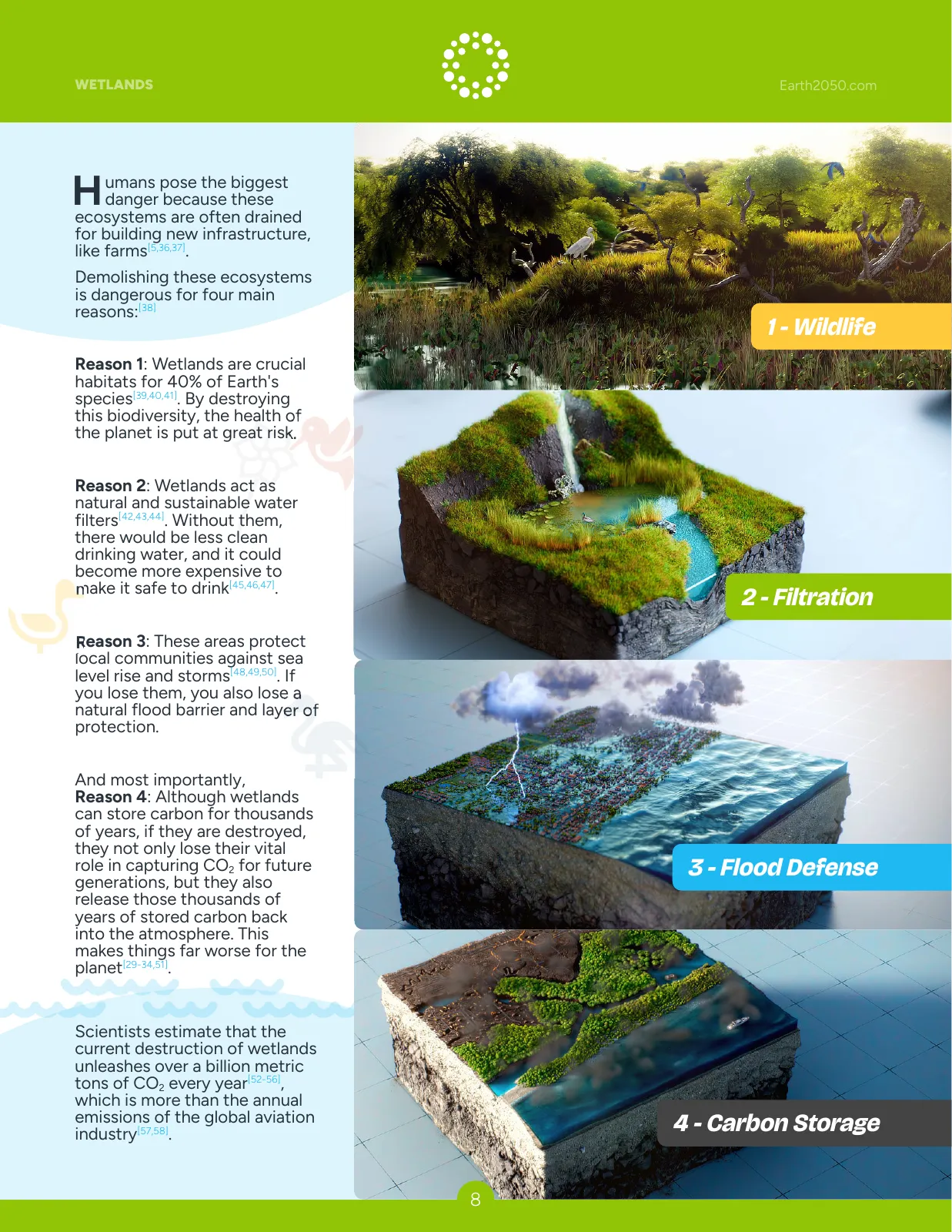
Humans pose the biggest danger because these ecosystems are often drained for building new infrastructure, like farms [5,36,37]. Demolishing these ecosystems is dangerous for four main reasons [38]:
Reason 1: Wetlands are crucial habitats for 40% of Earth's species [39,40,41]. By destroying this biodiversity, the health of the planet is put at great risk.
Reason 2: Wetlands act as natural and sustainable water filters [42,43,44]. Without them, there would be less clean drinking water and making it safe to drink could become more expensive [45,46,47].
Reason 3: These areas protect local communities against sea level rise and storms [48,49,50]. So, if you lose them, you also lose a natural flood barrier and layer of protection.
And most importantly, Reason 4: Although Wetlands can store carbon for thousands of years, if they are destroyed, they not only lose their vital role in capturing CO2 for future generations, but they also release those thousands of years of stored carbon back into the atmosphere, making things far worse for the planet [29-34,51].
Scientists estimate that the current destruction of wetlands unleashes over a billion metric tons of CO2 every year [52-56], which is more than the annual emissions of the global aviation industry [57,58].
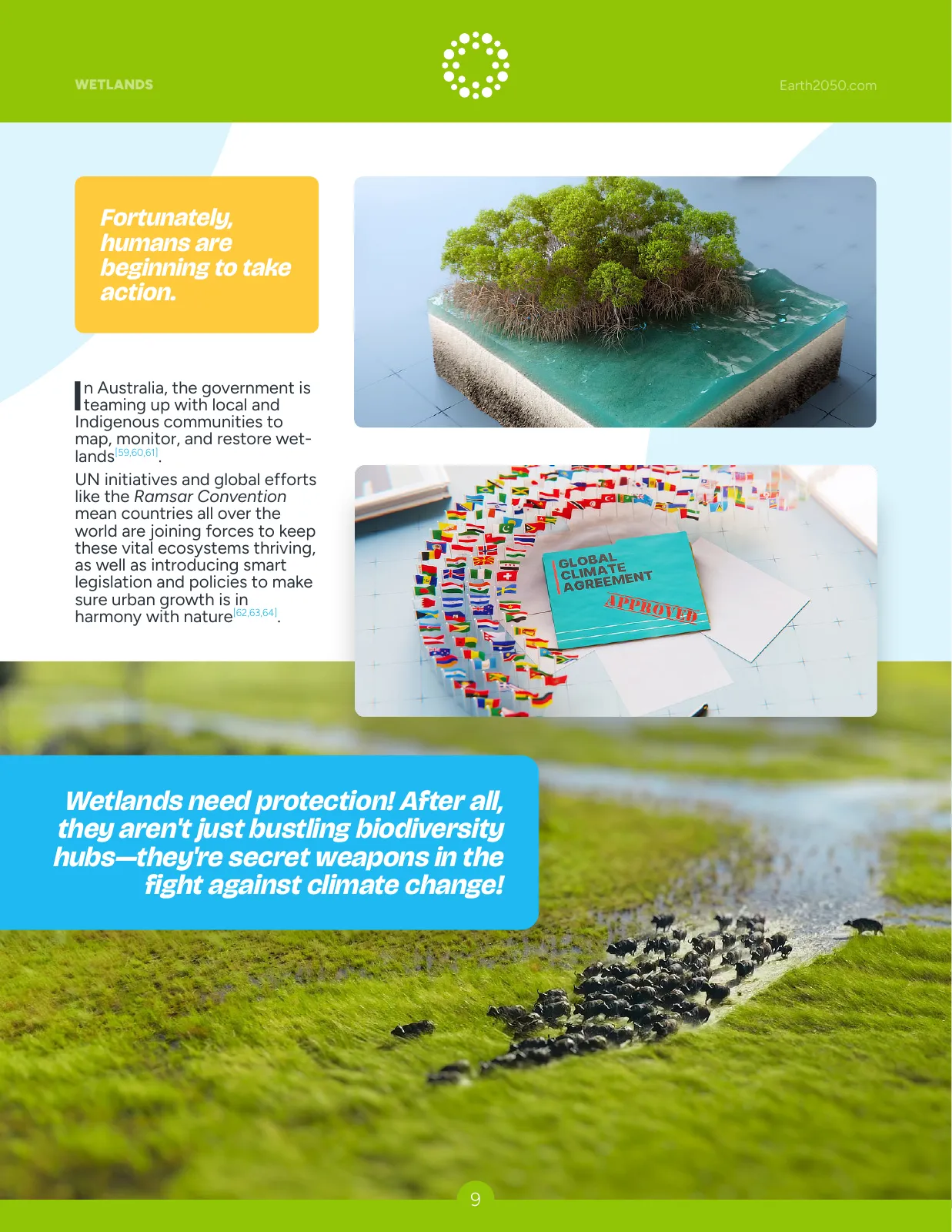
Fortunately, humans are beginning to take action.
In Australia, the government is teaming up with local and Indigenous communities to map, monitor, and restore wetlands [59,60,61].
UN initiatives and global efforts like the Ramsar Convention mean countries all over the world are joining forces to keep these vital ecosystems thriving, as well as introducing smart legislation and policies to make sure urban growth is in harmony with nature [62,63,64].
Wetlands need protection, after all, they aren't just bustling biodiversity hubs; they're secret weapons in the fight against climate change!
Expert Advisors
2
We would like to thank
Dr. Blanca Bernal
Greencollar
Senior Technical Expert
Dr. Elizabeth Watson
Stony Brook University
Associate Professor Department of Ecology & Evolution
Further Videos
19 links
These resources are non-affiliated.
Overview
How it Works
Importance of Wetlands
 Why Wetlands are Nature's Super-SystemsWWT
 World Wetlands Day 2022: Importance of wetlands at the time of climate change.Down to Earth
 Why Are Wetlands Important | WetlandThe Planet Voice
 Peatlands Critical In Climate Change FightNational Geographic
 What is peatland and can it save the planet?RSPB
 From wasteland to wetland. Why our coastal wetlands are vital for birds and peopleRSPB
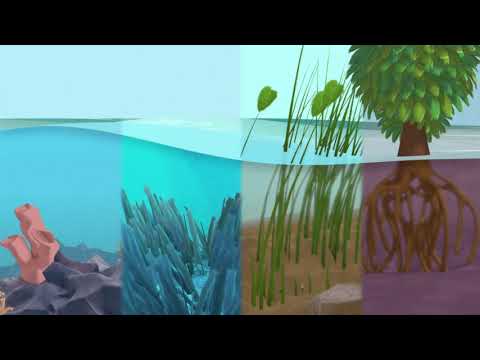 Coastal Wetlands Are a Critical Ecosystem for a Healthy ClimatePew
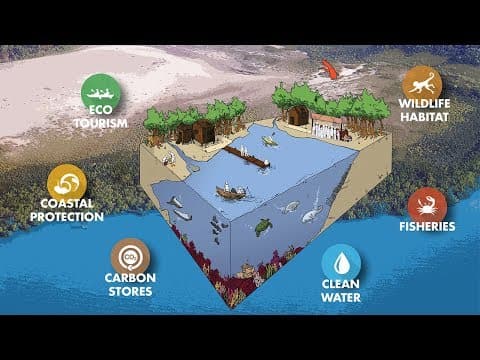 Importance of Mangrove ForestsMangrove Action Project
 Mangroves: how they help the oceanThe Economist
Further Reading
16 links
These resources are non-affiliated.
Summary Information
- What Are Wetlands? - Wetlands International Europe
- Wetlands | Ecosystems and their services - Biodiversity Information System for Europe
- Wetland habitats - WWT
- What Is a Wetland? Plus 8 Key Wetland Facts - World Wildlife Fund
- Peatlands store twice as much carbon as all the world’s forests - UNEP
How it Works
- Photosynthesis | Definition, Formula, Process, Diagram, Reactants, Products, & Facts - Britannica
- Water Keeps Plant Matter From Releasing Carbon - AskNature
- Coastal 'Blue Carbon': An Important Tool for Combating Climate Change - The Pew Charitable Trusts
- Coastal Blue Carbon - NOAA
Threats
- Threats to wetlands - WWT
- Protect Coastal Wetlands - Project Drawdown
- Threats to Wetlands - EPA
Reason 1: Biodiversity
- Wetlands and Biodiversity Factsheet - Ramsar
Reason 2: Water Filtration
- Wetland Functions and Values: Surface and Ground Water Protection - Department of Environmental Conservation
Reason 3: Flood Protection
Reason 4: Carbon Release
References
67 links
- [1] Wetlands: The key to coping with climate change | Ramsar
- [2] Peatlands store twice as much carbon as all the world’s forests | UNEP
- [3] How much wetland has the world lost? Long-term and recent trends in global wetland area | CSIRO PUBLISHING | Marine and Freshwater Research
- [4] Global conservation priorities for wetlands and setting post-2025 targets | Communications Earth & Environment
- [5] Threats to wetlands | WWT
- [6] Global Extent and Distribution of Wetlands: Trends and Issues | CSIRO PUBLISHING | Marine and Freshwater Research
- [7] What Are Wetlands? | Wetlands International Europe
- [8] Wetlands | Biodiversity | European Environment Agency & European Commission
- [9] Wetlands as nature-based solutions for water management in different environments | Current Opinion in Environmental Science & Health
- [10] Wetlands are the Lifeblood of our Planet and They Need a Transfusion | MedWet (see Reference Notes*)
- [11] World Wetlands Day | United Nations
- [12] Mitsch, Gosselink: Wetlands, 4th Edition | Wiley (cited in [14])
- [13] Carbon sequestration | Philosophical Transactions of the Royal Society B
- [14] Carbon storage in US wetlands | Nature Communications
- [15] Recovering wetland biogeomorphic feedbacks to restore the world’s biotic carbon hotspots | Science
- [16] Plant Physiology and Development | University of California | CABI
- [17] How Is Carbon Dioxide Absorbed During Photosynthesis? | Sciencing
- [18] The Carbon Cycle | Earth Observatory | NASA
- [19] Photosynthesis | Definition, Formula, Process, Diagram, Reactants, Products, & Facts | Britannica
- [20] Soil Carbon Storage | Nature Education
- [21] Soil Carbon Sequestration, Offsetting and Credits | Biochar
- [22] Carbon Sequestration in Soils | ESA
- [23] Resolving the intricate role of climate in litter decomposition | Nature Ecology & Evolution
- [24] SOIL: The Hidden Part of the Climate Cycle | European Commission
- [25] DOE Explains...the Carbon Cycle | US Department of Energy
- [26] Trends of litter decomposition and soil organic matter stocks across forested swamp environments of the southeastern US | PLOS One
- [27] Water Keeps Plant Matter From Releasing Carbon – Biological Strategy | AskNature
- [28] Wetland Soils - an overview | ScienceDirect Topics
- [29] Carbon Sequestration in Wetlands | MN Board of Water And Soil Resources
- [30] Wetlands for Carbon Storage | WWT
- [31] What is Blue Carbon? | The Blue Carbon Initiative
- [32] Coastal Blue Carbon | NOAA
- [33] Mangroves among the most carbon-rich forests in the tropics | Nature Geoscience Letters | US Department of Agriculture (In: Future Mangrove Carbon Storage Under Climate Change and Deforestation | Frontiers in Marine Science)
- [34] Protect Coastal Wetlands | Project Drawdown® (see Reference Notes*)
- [35] Global Assessment of Inland Wetland Conservation Status | Bioscience
- [36] Wetlands and agriculture: impacts of farming practices and pathways to sustainability | Ramsar Convention on Wetlands
- [37] Agricultural use of wetlands: opportunities and limitations | Annals of Botany
- [38] What are wetlands, and why are they so critical for life on Earth? | National Geographic
- [39] Wetlands and Biodiversity | Ramsar Convention on Wetlands
- [40] Why wetlands? | WWT
- [41] Ensuring the Global Biodiversity Framework prioritises measures to safeguard wetlands and wetland biodiversity | Wetlands International
- [42] Nature's Wealth | International Institute for Sustainable Development
- [43] Wetlands: Water Living Filters? | Repositório Digital de Publicações Científicas
- [44] Water Purifying Capacity of Natural Riverine Wetlands in Relation to Their Ecological Quality | Frontiers in Environmental Science
- [45] Pollution busting wetlands | WWT
- [46] Wetland Functions and Values: Surface and Ground Water Protection | Department of Environmental Conservation | State of Vermont
- [47] Green Recovery Report 2023/24 | Severn Trent Water
- [48] Restoration and management of coastal wetlands | Climate Adapt | European Environment Agency
- [49] Valuing natural habitats for enhancing coastal resilience: Wetlands reduce property damage from storm surge and sea level rise | PLOS One
- [50] Coastal marshes provide valuable protection for coastal communities from storm-induced wave, flood, and structural loss in a changing climate | Scientific Reports
- [51] Wetlands In a Changing Climate: Science, Policy and Management | Wetlands – Journal of the Society of Wetland Scientists
- [52] Conversion of coastal wetlands, riparian woodlands, and peatlands increases greenhouse gas emissions: A global meta-analysis | Global Change Biology (see Reference Notes*)
- [53] Land use and land cover changes in coastal and inland wetlands cause soil carbon and nitrogen loss | Global Ecology and Biogeography
- [54] The role of peatlands in climate regulation (Chapter 4) | Peatland Restoration and Ecosystem Services
- [55] Estimating Global ‘‘Blue Carbon’’ Emissions from Conversion and Degradation of Vegetated Coastal Ecosystems | PLOS One (Press release: Wetlands: Destroyed coastal ecosystems emit a massive amount of carbon | Nicholas Institute for Energy, Environment & Sustainability)
- [56] Annual emissions of carbon from land use, land-use change, and forestry from 1850 to 2020 | Earth System Science Data
- [57] Emissions Gap Report 2024 | UNEP
- [58] Aviation | IEA
- [59] Wetlands and Indigenous values | Department of Climate Change, Energy, the Environment and Water | Australian Government
- [60] The Wetlands Policy of the Commonwealth Government of Australia | Ramsar Convention on Wetlands
- [61] Indigenous wetland monitoring (info sheet) | Resilient Landscapes – National Environmental Science Programme | The University of Western Australia
- [62] The List of Wetlands of International Importance | Ramsar Convention on Wetlands
- [63] The Ramsar Convention Manual, 6th edition | Ramsar Convention on Wetlands (see Home page | The Convention on Wetlands, Ramsar for more)
- [64] Wetlands: the unsung heroes of the planet | UNEP
Reference Notes
14
Carbon Storage in Wetlands versus Forests
The cited comparison from UNEP specifically concerns peatlands. Peatlands are a particular type of wetland formed from partially decomposed organic matter, which cover only around 3% of the world’s land surface but store approximately twice as much carbon as all the world’s forests. Many other wetlands - including mangroves, salt marshes and seagrass meadows - also store substantial amounts of carbon. Because peatlands form part of this wider wetland category, the comparison provides a conservative basis for the statement to apply to all wetlands collectively. However, it does not mean that every type of wetland stores a proportionally large amount of carbon relative to the world’s forests.
Estimate of Historical Global Wetland Loss
Estimates of global wetland loss vary substantially because studies use different definitions of wetlands, historical baselines and methods, and may measure either net loss of wetland area or wider degradation. [3] estimated that 64-71% of wetlands had been lost since 1900 and suggested losses could have reached 87% since 1700; [4] summarizes the earlier literature as approximately 50% since 1900 and potentially 87% since 1700, while [5] repeats the 87% estimate. However, a newer global reconstruction estimated that approximately 21% of inland wetland area had been lost since 1700 A. The “nearly 90%” figure should therefore be understood as an upper-end historical estimate rather than a settled global total. [6] provides further discussion of the uncertainties surrounding global wetland extent and trends.
A Extensive global wetland loss over the past three centuries | Nature
Clarification of source estimates on global wetland coverage
indicates that wetlands cover 12.1 × 10⁶ km2. This is approximately 2.3% of the Earth’s surface.
states wetlands cover 1.5-3% of the Earth’s surface globally. It is a press release, written by Giuseppe Dodaro, the Wetland Restoration Expert at MedWet (The Mediterranean Wetlands Initiative), on the publication of the Restoring Mediterranean Wetlands Policy Playbook (2022) B, to which MedWet contributes. While the figure of 1.5-3% is not mentioned specifically in this report, it is widely quoted in adjacent press releases by other organizations that contributed to the report.
indicates that wetlands cover 6% of Earth’s land surface. Since land accounts for 29% of Earth’s total surface C, 6% of land area = 1.74% of total area. [12] stated wetlands account for 5-8% of Earth’s land surface, as cited in [14], reinforcing figures from [10] and [11].
B Restoring Mediterranean Wetlands Policy - Playbook 2023 | Wetland Based Solutions Initiative
C 1.1 Overview of the Oceans - Introduction to Oceanography | Roger Williams University
Information on wetland protection
indicates coastal wetlands alone cover 54.6 million hectares, which is approximately 1% of Earth’s surface. This source also states that of the 54.6 million hectares of coastal wetlands, 11.48 million hectares are protected (8.04 million hectares of strict and non-strict protection categories + 3.44 million hectares Indigenous People’s Lands (IPLs)). Subsequently, this means approximately 79% of coastal wetlands are unprotected. Inland wetlands have not been included in this estimate.
indicates that 89% of inland wetlands are unprotected (i.e. excluding coastal). [35] also states that 92.8% of continental wetland area is inland and only 7.2% is coastal. Combining this with information from [34] noted above, it follows: (79% of 7.2%) + (89% of 92.8%) = 88% total wetlands are unprotected.
Estimate of global emissions from destruction of wetlands
Wetland ecosystems are globally significant reservoirs of carbon, but their degradation and destruction due to land-use change and other anthropogenic activities have substantial implications for greenhouse gas emissions. The statement, “Scientists estimate that, combined, the emissions released from the destruction of wetlands equate to over 1 billion metric tons of carbon dioxide every year,” is derived from a synthesis of multiple sources and studies. Below is a breakdown and clarification of the scientific findings supporting this statement:
Meta-analysis Estimate
A global meta-analysis conducted by Lishan Tan et al. (2019) reported an annual emission of at least 0.96 ± 0.22 gigatons (Gt) of CO2-equivalent (CO2e) from land-use and land-cover change (LULCC) across all wetlands. This figure incorporates the cumulative impacts of CO2, methane (CH4), and nitrous oxide (N2O), adjusted by their relative warming impacts.
Natural wetlands are known to be significant sources of methane, and their conversion often leads to an overall reduction in CH₄ emissions due to the drainage and aeration of soils, which inhibit methanogenesis. Wetlands contribute to natural cycles and levels of atmospheric methane, but climate change threatens to disrupt this process, whereby a warmer climate is increasing rates of anaerobic decomposition and methanogenesis, outpacing methane produced by global use of fossil fuels (see additional links below). Nevertheless, destruction of wetlands unleashes substantial carbon dioxide (CO₂) and nitrous oxide (N₂O) emissions resulting from the decomposition of organic matter and the application of fertilizers in agricultural settings, which far outweigh reductions in methane emissions.
Net reductions in natural methane emissions is therefore likely to have a significant negative effect on overall CO2e emissions estimate, while release of N2O is likely to have a significant positive effect. [53] expands on this paper through further analysis of soil nitrogen and carbon dynamics.
Degraded Peatlands
Joosten et al. (2016) estimated that the oxidation of degraded peatlands alone contributes approximately 1.15 Gt of CO2 annually, excluding emissions from peat fires. When fires are included, this figure rises to approximately 2 Gt CO2.
Coastal Wetlands
Pendleton et al. (2012) estimated emissions from the destruction of coastal wetlands to be around 450 million tons (0.45 Gt) of CO2 per year. However, other sources suggest this figure could be as high as 1.02 Gt CO2, depending on assumptions about the scale and nature of degradation.
Comprehensive Modeling
A more recent study published in Earth System Science Data (2023) estimated that gross emissions from LULCC in wetlands, modeled across multiple wetland types, amount to 0.75 Pg of carbon per year. This equates to approximately 2.75 Gt CO2 annually when converted from carbon to CO2 using a factor of 3.67. This estimate is inclusive of peat oxidation and decomposition but may or may not fully account for peat burning, as detailed in the study’s methodology.
Regional Contributions: For the tropics, [56] uses data from Randerson et al. (2013) and (2018) on emissions from burning peatlands and Hooijer et al. (2010) on draining of peatlands, extrapolated to the present. Outside of the tropics (Northern Hemisphere), they use estimates of carbon emissions from Qiu et al. (2021) [full references in paper). Hooijer et al. (2010) and other studies on Southeast Asia have highlighted that tropical peatland degradation, particularly in Indonesia and Malaysia, is a disproportionately large source of wetland emissions, accounting for significant portions of both global peat oxidation and fire-related emissions.
Scientific Context and Considerations:
- The variation in reported figures arises from differences in methodologies (e.g., meta-analyses, model-based estimates, empirical measurements), definitions of wetland types, and the specific greenhouse gases included.
- Wetland degradation, including peat drainage and oxidation, is considered functional destruction of wetlands due to the irreversible or permanent loss of carbon storage and sequestration capacity, even without complete land conversion or clearance. Additional impacts include soil loss, compaction, nutrient depletion, water table mismanagement and pollution.
- The synthesis of these data sources supports the statement that emissions from wetland destruction exceed 1 Gt CO2 annually, particularly when considering the combined effects of peatland degradation, peat fires, and coastal wetland conversion.
- Uncertainties remain in exact figures due to regional disparities in data availability, varying assumptions in global models, and the variable inclusion/exclusion of certain emissions processes (e.g. methane from anaerobic decomposition).
Additional Links - Methane Emissions:
Recent intensification of wetland methane feedback | Nature Climate Change (In: ‘Exceptional’ surge in methane emissions from wetlands worries scientists | Carbon Brief)
Large Methane Emission Fluxes Observed From Tropical Wetlands in Zambia | Global Biogeochemical Cycles (Press release: Tropical Wetlands Emit More Methane Than Previously Thought | Eos)