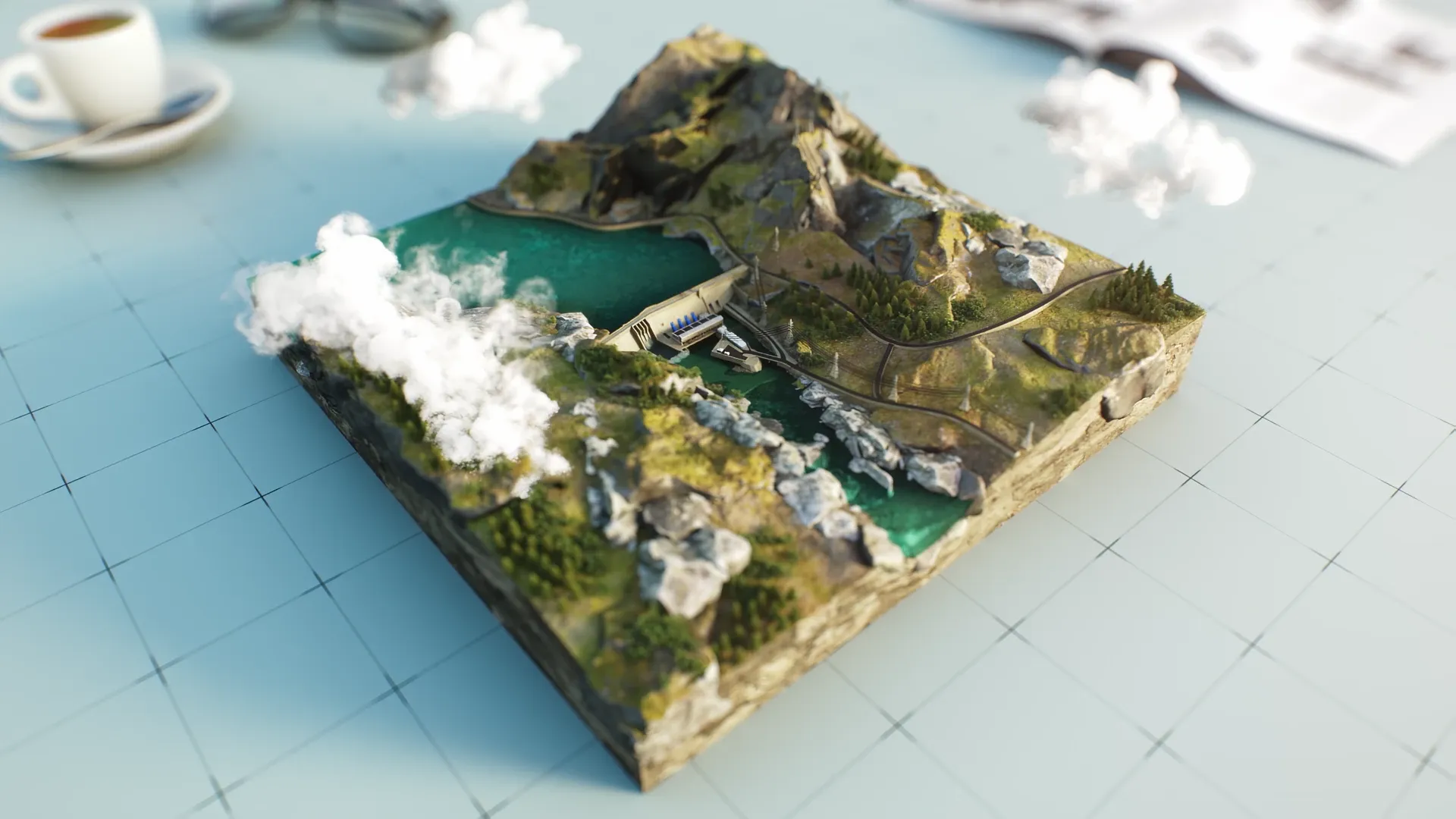

Electricity
Hydropower
Hydropower - The Sleeping Giant of Clean Energy
Can water power entire cities? Hydropower has been around for millennia, and today comes in three forms: reservoir dams, run-of-river systems, and pumped storage. We show how each works, and how pumped storage hydroelectricity pairs with wind and solar power to act like a giant water battery, and how better planning and design reduce impacts on people and ecosystems.
Download the Guide3.2overall
How this solution scores
- Impact4 / 5The biggest renewable today, with more potential. It can also provide crucial energy storage.
- Speed2 / 5Large dams take many years to approve and build.
- Cost3 / 5Huge upfront cost, then decades of cheap power.
- Readiness5 / 5The oldest large-scale renewable, used all around the world.
- Nature2 / 5Dams block rivers, flood habitats and can displace communities.
Guide
This is the illustrated transcript of the film.
Quiz
Question 1 of 10
What did the ancient Greeks use water wheels for?
Score 0 / 10
Transcript
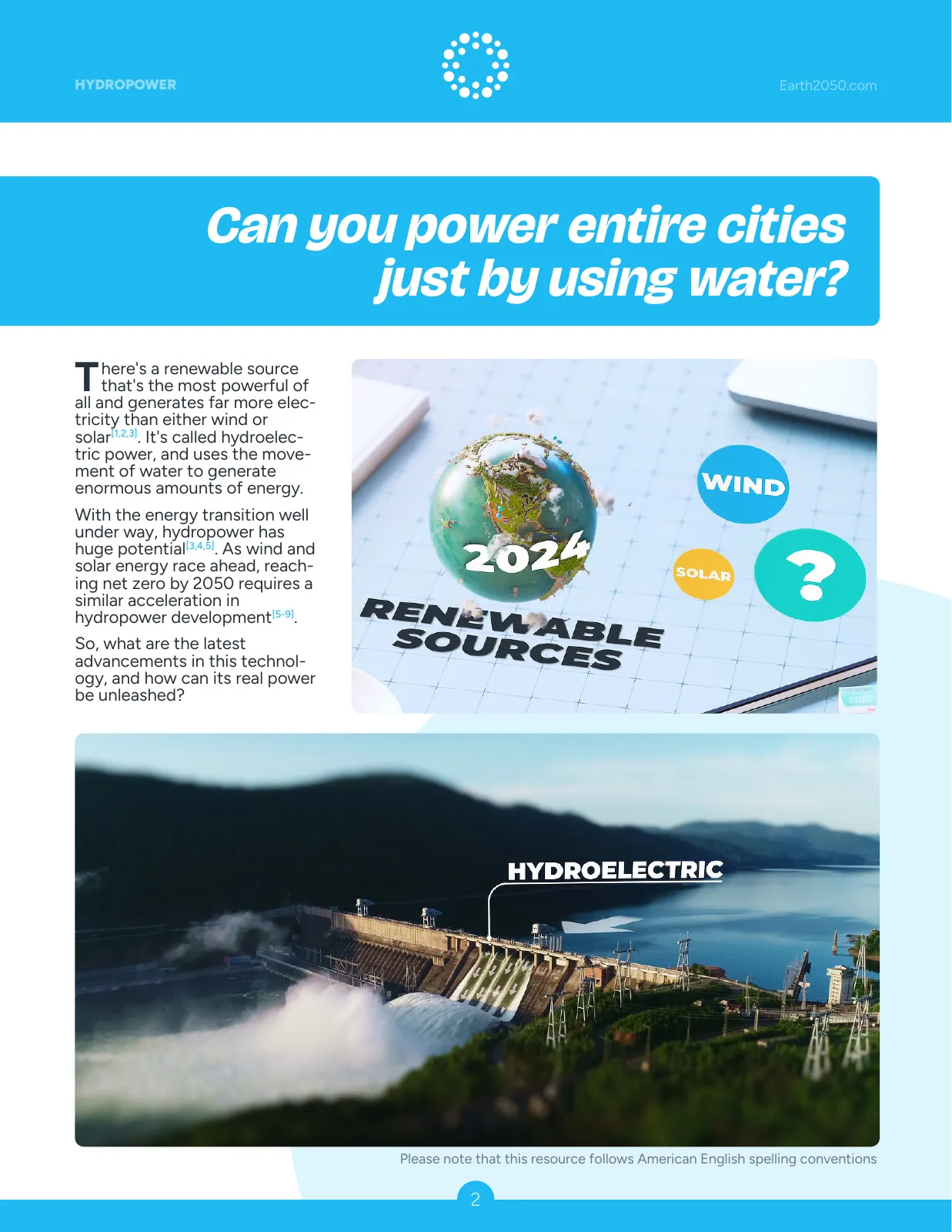
Can you power entire cities just by using water?
There's a renewable source that's the most powerful of all and generates far more electricity than either wind or solar [1,2,3]. It's called hydroelectric power, and uses the movement of water to generate enormous amounts of energy.
With the energy transition well underway, hydropower has huge potential [3,4,5]. As wind and solar energy race ahead, reaching net zero by 2050 requires a similar acceleration in hydropower development [5-9].
So, what are the latest advancements in this technology, and how can its real power be unleashed?
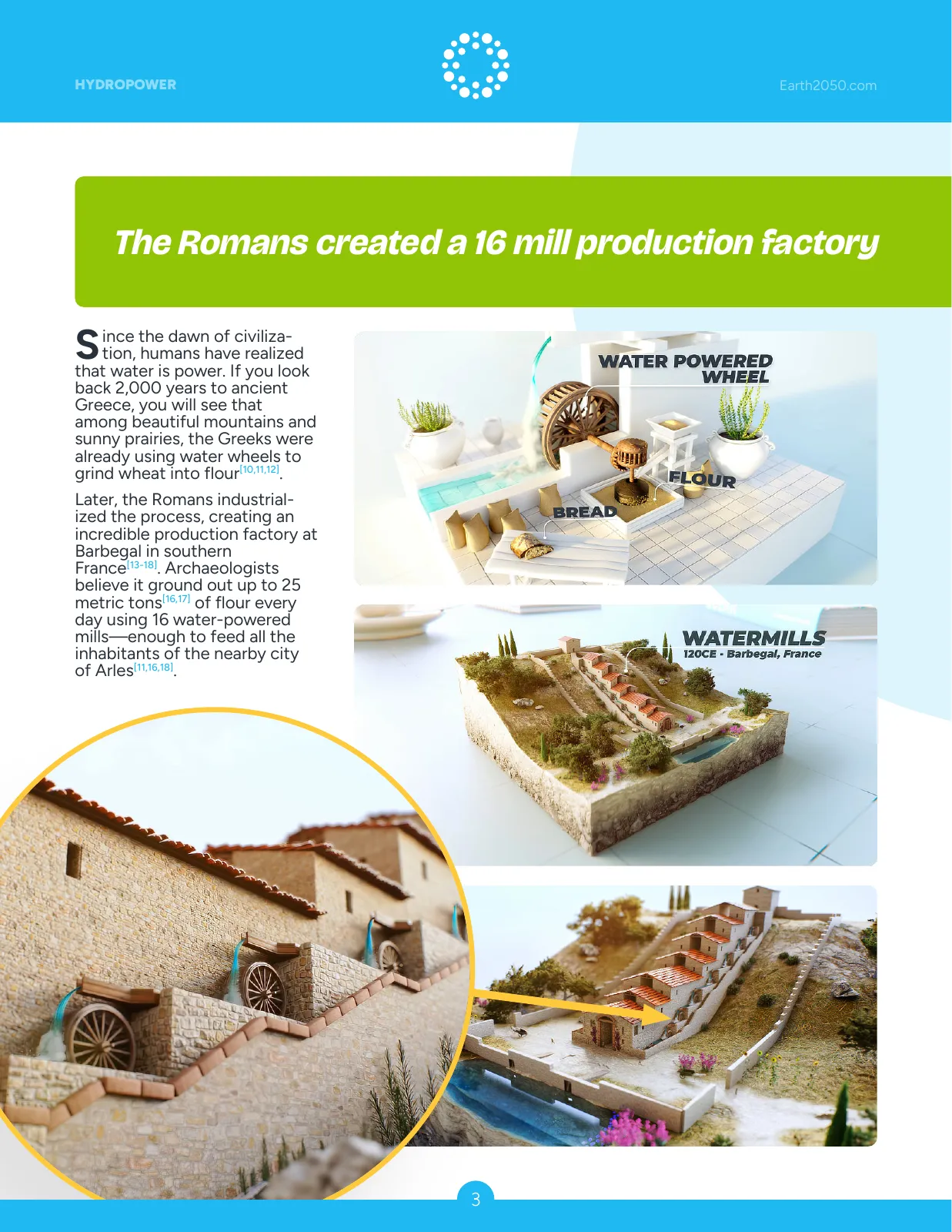
Since the dawn of civilization, humans have realized that water is power. If you look back 2,000 years to ancient Greece, you will see that among beautiful mountains and sunny prairies, the Greeks were already using water wheels to grind wheat into flour [10,11,12].
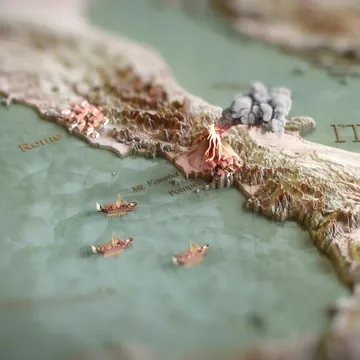
Later, the Romans industrialized the process, creating an incredible production factory at Barbegal in southern France [13-18]. Archaeologists believe it ground out up to 25 metric tons [16,17] of flour every day using 16 water-powered mills, enough to feed all the inhabitants of the nearby city of Arles [11,16,18].
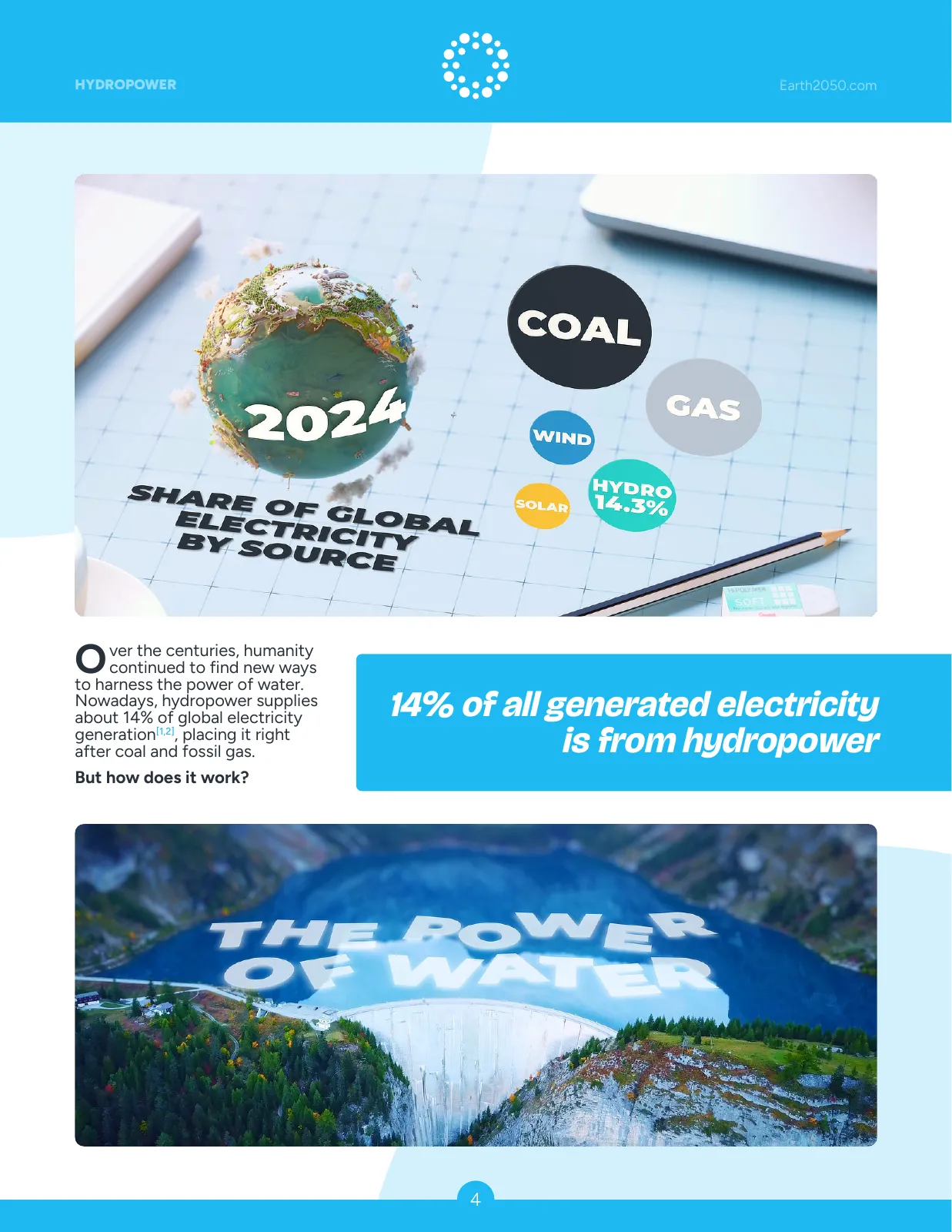
Over the centuries, humanity continued to find new ways to harness the power of water. Nowadays, hydropower supplies about 14% of global electricity generation [1,2], placing it right after coal and fossil gas.
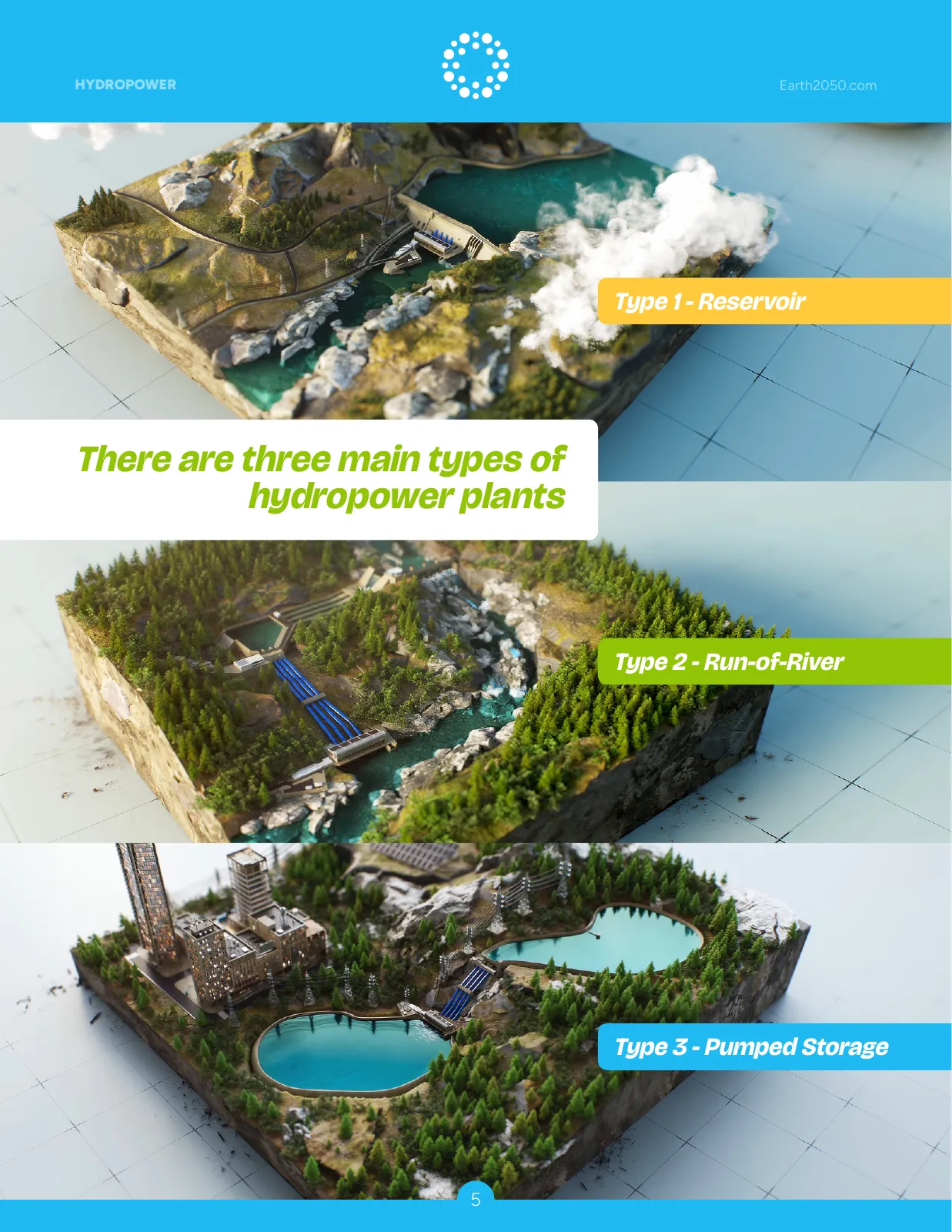
But how does it work? There are three main types of hydropower plants [19]:
Type 1: a reservoir.
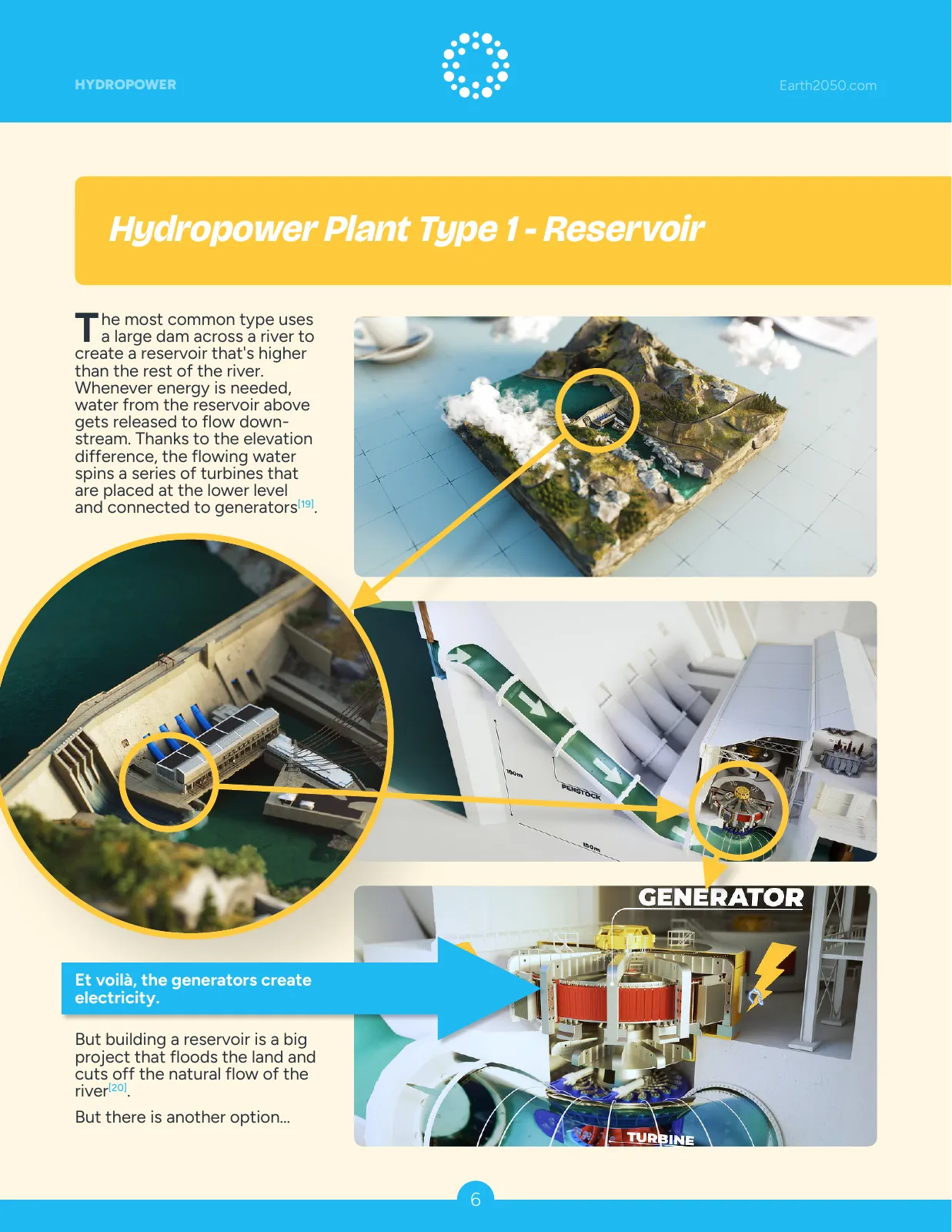
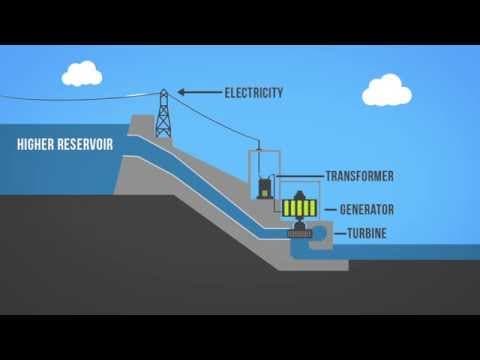
The most common type uses a large dam across a river to create a reservoir that's higher than the rest of the river. Whenever energy is needed, water from the reservoir above gets released to flow downstream. Thanks to the elevation difference, the flowing water spins a series of turbines that are placed at the lower level and connected to generators [19]. Et voilà, the generators create electricity.
However, building a reservoir is a big project that floods the land and cuts off the natural flow of the river [20]. But there is another option…
Type 2: run-of-river.
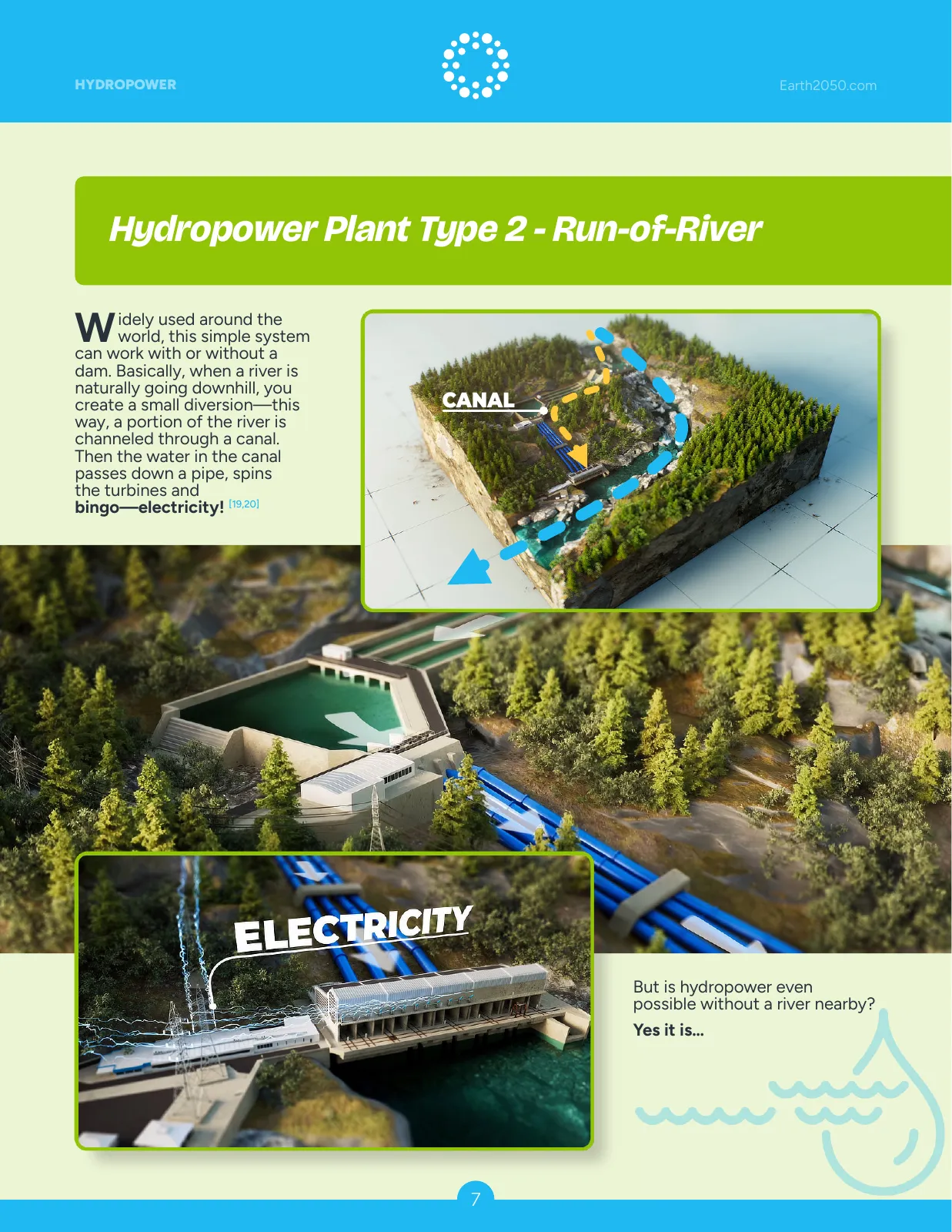
Widely used around the world, this simple system can work with or without a dam. Basically, when a river is naturally going downhill, you create a small diversion - this way, a portion of the river is channeled through a canal. Then the water in the canal passes down a pipe, spins the turbines and bingo: electricity! [19,20]
But is hydropower even possible without a river nearby? Yes it is…
Type 3: pumped storage.
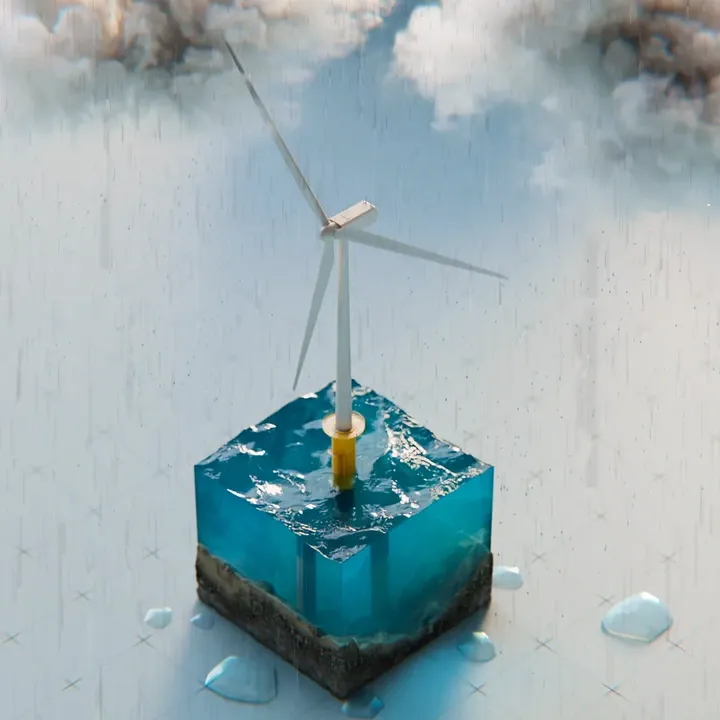
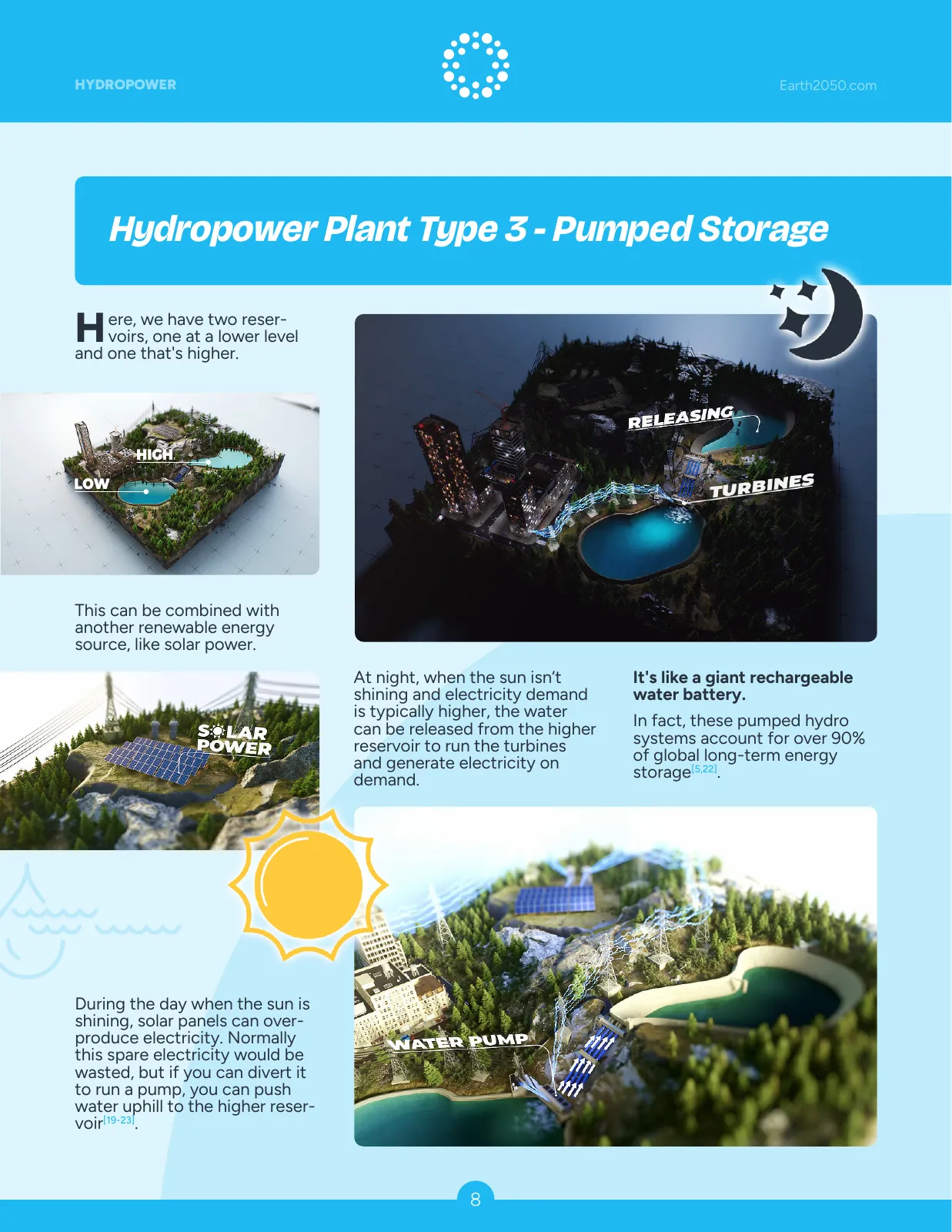
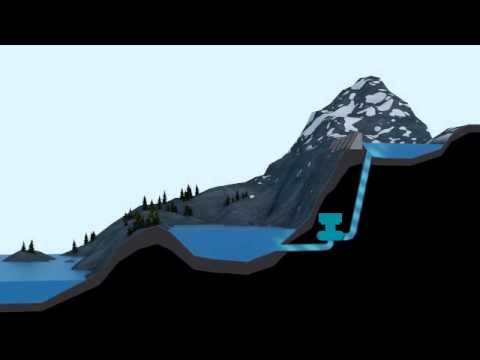
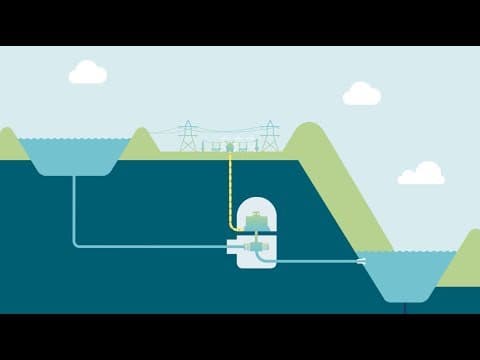
Here, we have two reservoirs, one at a lower level and one that's higher. This can be combined with another renewable energy source, like solar power.
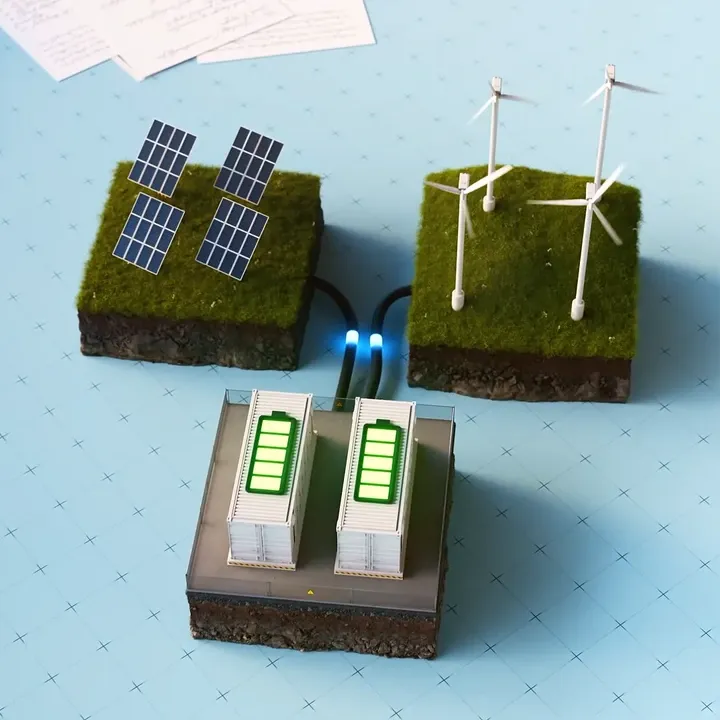
During the day when the sun is shining, solar panels can overproduce electricity. Normally this spare electricity would be wasted, but if you can divert it to run a pump, you can push water uphill to the higher reservoir [19-23].
At night, when the sun isn’t shining and electricity demand is typically higher, the water can be released from the higher reservoir to run the turbines and generate electricity on demand.
It's like a giant rechargeable water battery. In fact, these pumped hydro systems account for over 90% of global long-term energy storage [5,22].
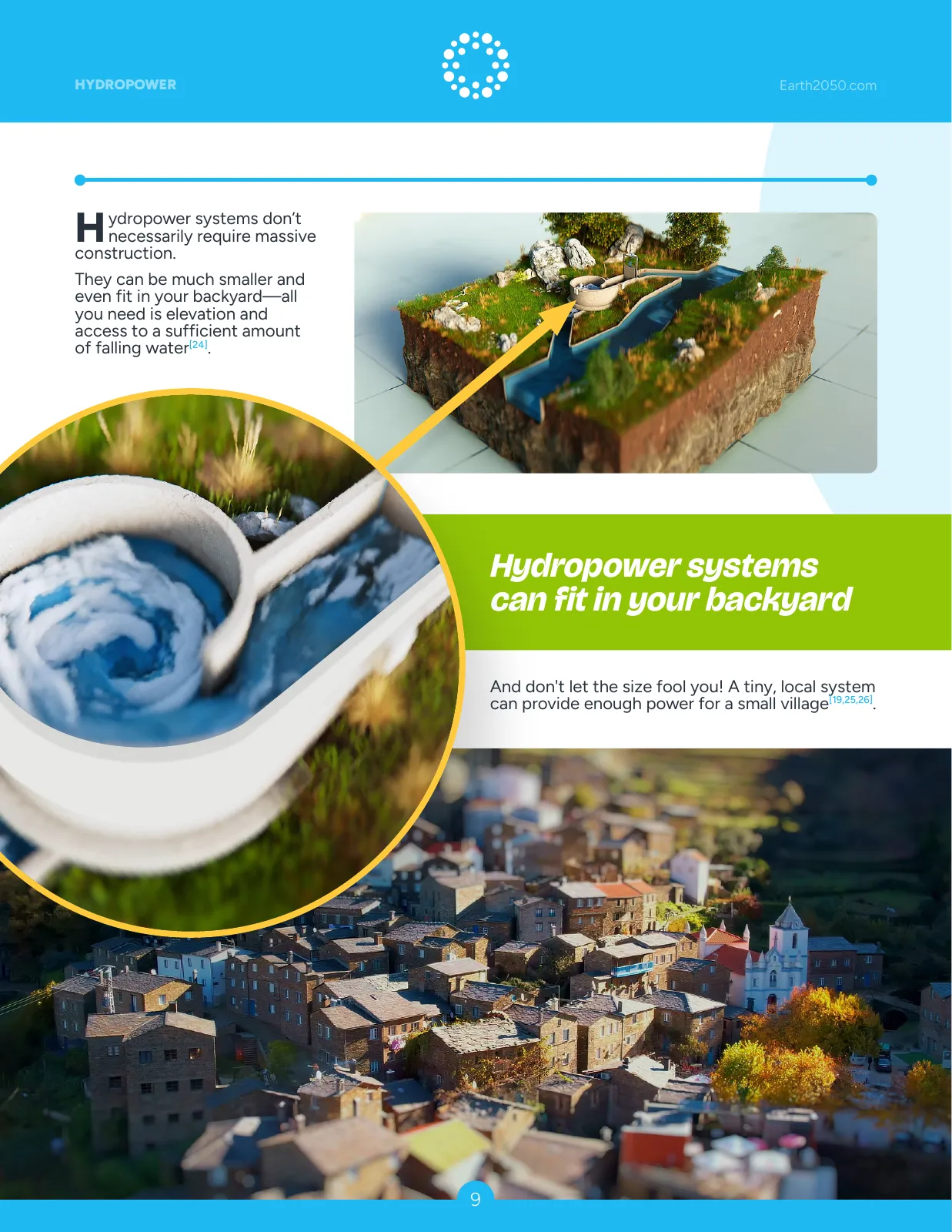
Hydropower systems don’t necessarily require massive construction. They can be much smaller and even fit in your backyard. All you need is elevation and access to a sufficient amount of falling water [24]. And don't let the size fool you! A tiny local system can provide enough power for a small village [19,25,26].
So can hydropower help lead the way to net zero?
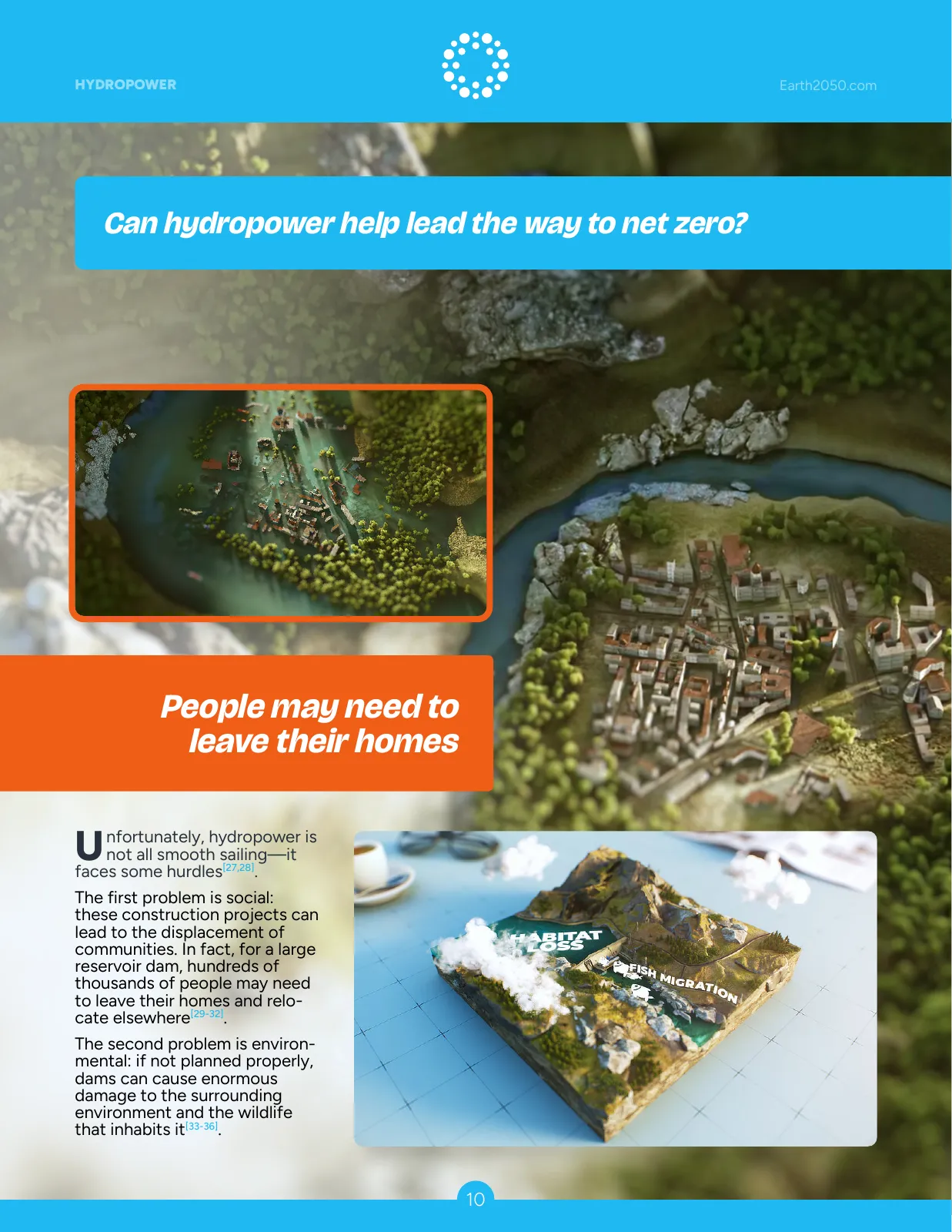
Unfortunately, hydropower is not all smooth sailing: it faces some hurdles [27,28].
The first problem is social: these construction projects can lead to the displacement of communities. In fact, for a large reservoir dam, hundreds of thousands of people may need to leave their homes and relocate elsewhere [29-32].
The second problem is environmental: if not planned properly, dams can cause enormous damage to the surrounding environment and the wildlife that inhabits it [33-36].
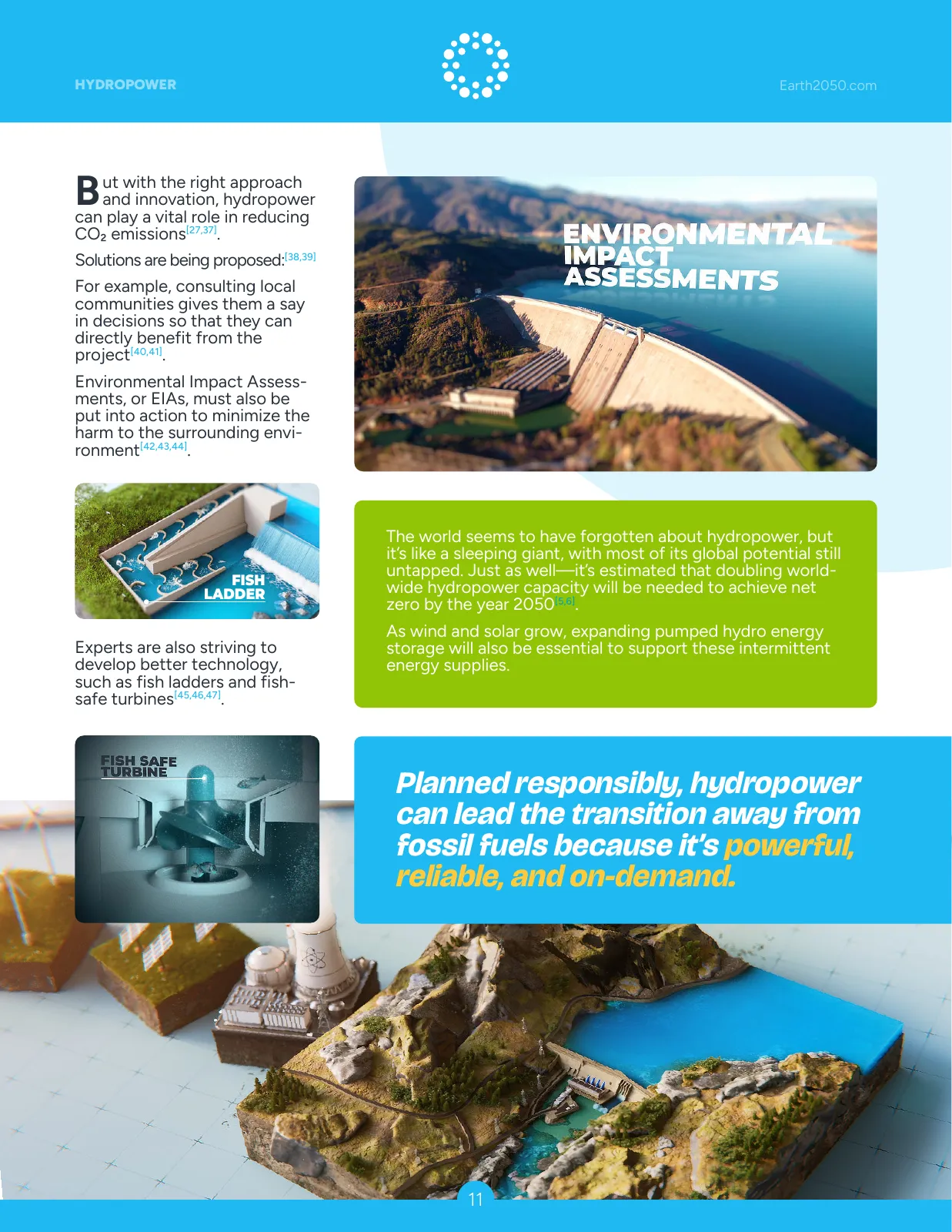
But with the right approach and innovation, hydropower can play a vital role in reducing CO2 emissions [27,37]. Solutions are being proposed: [38,39]
For example, consulting local communities gives them a say in decisions so that they can directly benefit from the project [40,41].
Environmental Impact Assessments, or EIAs, must also be put into action to minimize the harm to the surrounding environment [42,43,44].
Experts are also striving to develop better technology, such as fish ladders and fish-safe turbines [45,46,47].
The world seems to have forgotten about hydropower, but it’s like a sleeping giant, with most of its global potential still untapped. Just as well. It’s estimated that doubling worldwide hydropower capacity will be needed to achieve net zero by the year 2050 [5,6].
As wind and solar grow, expanding pumped hydro energy storage will also be essential to support these intermittent energy supplies [5,22,23].
Planned responsibly, hydropower can lead the transition away from fossil fuels because it’s powerful, reliable, and on-demand.
Expert Advisors
2
We would like to thank
Dr. Sam Williamson
University of Bristol
School of Electrical, Electronic and Mechanical Engineering
Prof. Peter Meusburger
Graz University of Technology
Head of the Institute of Hydraulic Fluidmachinery
Further Videos
17 links
These resources are non-affiliated.
How It Works
Controversy of Hydropower - Impacts and Solutions
Pumped Storage Hydropower
Fish Ladders & Turbines
Potential of Micro Hydropower Plants
Beyond Our Scope
Further Reading
21 links
These resources are non-affiliated.
History
- Water Mills - Encyclopedia MDPI
- Waterwheel | History, Types & Uses - Britannica
History — Barbegal
- A huge water-powered factory helped make food for Roman sailors - New Scientist
- The unique hydraulics in the Barbegal water mills, the world's first industrial plant - ScienceDaily
- Roman Water Wheel | The Engines of Our Ingenuity - Cullen College of Engineering
How It Works
- Types of Hydropower Plants - Department of Energy
- Pumped storage hydropower: Water batteries for solar and wind power - IHA
- The future of energy storage: how pumped hydro storage can help us achieve our net zero targets - SSE
- Planning a Microhydropower System - Department of Energy (archived)
- Hydropower Basics - Renewables First - The Renewable Energy Company
Impacts
- Examining the Pros and Cons of Hydroelectric Energy - Earth.Org
- How Dams Damage Rivers - American Rivers
- Why aren't we looking at more hydropower? - MIT Climate Portal
- Environmental Impacts of Hydroelectric Power - Union of Concerned Scientists
Solutions — Fish Ladders and Mechanisms
- How Do Fish Survive Hydropower Dams? - Department of Energy
- Hydropower: Improving conditions for fish - Statkraft
- The New Generation of Hydropower Dams Let Fish Swim Straight Through - Reasons to be cheerful
Case Studies
- China's Three Gorges Dam, by the Numbers - National Geographic
Beyond our Scope - Direct Risks and Responses under Climate Change
- Adaptation options for hydropower plants - Climate Adapt EU
- Hydropower's evolving role in climate mitigation and adaptation - IHA
- Tracking the Carbon Footprint of Hydropower - US Department of Energy
References
58 links
- [1] Renewables 2024 – Analysis | IEA (see Reference Notes*)
- [2] Global Electricity Review 2025 | Ember (In: Share of electricity production from hydropower | Our World in Data) (see Reference Notes*)
- [3] Hydropower | IEA
- [4] Global hydropower capacity falls short of net zero targets | Energy Institute (also see Statistical Review of World Energy 2025 | Energy Institute)
- [5] 2024 World Hydropower Outlook | IHA (Press: Prometheus Institute)
- [6] IEA net zero report calls for doubling of hydropower capacity by 2050 (Figures from: Net Zero by 2050 - A Roadmap for the Global Energy Sector | IEA)
- [7] Accelerated approvals needed for hydropower and other renewables to achieve climate goals | IHA
- [8] The Changing Role of Hydropower: Challenges and Opportunities | IRENA
- [9] Bali Statement on Powering Sustainable Growth | World Hydropower Congress
- [10] Energy conversion - History, Technology, Processes | Britannica
- [11] Waterwheel | History, Types & Uses | Britannica (see Reference Notes*)
- [12] Water Mills | Scholarly Community Encyclopedia (Adapted from: Sustainable and Regenerative Development of Water Mills | Water)
- [13] France: Barbegal watermills – Rome’s Revolutionary Power | World Archaeology
- [14] Reconstructing the hydraulics of the world’s first industrial complex, the second century CE Barbegal watermills, France | Scientific Reports (Press: The unique hydraulics in the Barbegal water mills, the world's first industrial plant | ScienceDaily)
- [15] Operation and decline of the Barbegal mill complex, the largest industrial complex of antiquity | Geoarchaeology (Press: Layers of carbonate reveal the operation and decline of Barbegal, the largest ancient Roman water mill complex | Archaeology News Online Magazine)
- [16] The second century CE Roman watermills of Barbegal: Unraveling the enigma of one of the oldest industrial complexes | Science Advances (In: A huge water-powered factory helped make food for Roman sailors | New Scientist) (see Reference Notes*)
- [17] Barbegal: carbonate imprints give a voice to the first industrial complex of Europe | Journal of Archaeological Science
- [18] A Roman Factory | Scientific American (In: Roman Water Wheel | The Engines of Our Ingenuity | Cullen College of Engineering & The Roman Flour Mill at Barbegal | WaterHistory.org) (see Reference Notes*)
- [19] Types of Hydropower Plants | Department of Energy
- [20] Hydropower in the Context of Sustainable Energy Supply: A Review of Technologies and Challenges | ISRN Renewable Energy
- [21] Examining the Pros and Cons of Hydroelectric Energy | Earth.Org
- [22] Pumped storage hydropower: Water batteries for solar and wind power | IHA
- [23] The future of energy storage: how pumped hydro storage can help us achieve our net zero targets | SSE
- [24] Planning a Microhydropower System | Department of Energy (archived)
- [25] Hydropower Basics | Renewables First - The Renewable Energy Company
- [26] The Role of Micro Hydro Power Systems in Remote Rural Electrification | Procedia Engineering
- [27] Sustainable hydropower in the 21st century | PNAS
- [28] Why aren't we looking at more hydropower? | MIT Climate Portal
- [29] China's Three Gorges Dam, by the Numbers | National Geographic
- [30] Social Impacts and Social Risks in Hydropower Programmes | United Nations
- [31] The social impacts of dams and hydropower (In: Handbook of Social Impact Assessment and Management) | ElgarOnline)
- [32] The local socio-economic impacts of large hydropower plant development in a developing country | Energy Economics
- [33] Environmental Impacts of Hydroelectric Power | Union of Concerned Scientists
- [34] Hydropower impacts on riverine biodiversity | Nature Reviews Earth & Environment
- [35] Effects of hydropower generation and opportunities for environmental flow management in Swedish riverine systems | Freshwater Biology
- [36] Assessing the cumulative environmental impact of hydropower construction on river systems based on energy network model | Renewable and Sustainable Energy Reviews
- [37] Hydropower Special Market Report | IEA
- [38] How to make hydropower more environmentally friendly | Ensia
- [39] Environmental Mitigation Technology for Hydropower - Summary Report | NHA
- [40] Building the Relationship: The Ongoing Importance of Community Engagement | HydroReview (archived)
- [41] Hydropower benefit-sharing and resettlement: A conceptual review | Energy Research & Social Science
- [42] Hydro - Environmental Impact Assessment (EIA) | Energypedia
- [43] ESIA and SEA for Sustainable Hydropower development | Netherlands Commission for Environmental Assessment
- [44] Guidelines on EIA of the Hydropower Projects | EU4Environment
- [45] How Do Fish Survive Hydropower Dams? | US Department of Energy
- [46] Hydropower: Improving conditions for fish | Statkraft
- [47] Safe passage of American Eels through a novel hydropower turbine (In: The New Generation of Hydropower Dams Let Fish Swim Straight Through | Reasons to be cheerful)
Reference Notes
2
The share of electricity generation from both wind and solar combined surpassed that from hydropower in 2024 for the first time [2]. Hydropower is currently the largest renewable generation source by far, and expected to still be the case in 2028. By 2030, however, solar PV is expected to become the foremost renewable electricity source, followed by wind, both surpassing hydropower [1].
Purpose of the water-powered mill at Barbegal: It is stated that the flour ground at the water-powered mill at Barbegal had the capacity to feed all the inhabitants of the nearby city of Arles [11,18]. However, while this may be true, recent evidence suggests the complex was used intermittently, interrupted for several months at a time. Rather than provide a steady supply of flour to the city, it was more likely and primarily used to make ship’s bread and non-perishable hardtack for the nearby ports of Arles and Fossae Marianae - enough to feed sailors heading out to sea for months on end, opposed to the population at large.